If you’re in the market for liquid bags (or you just got a batch delivered and want to make sure they actually do what they’re supposed to—hold liquids without leaking), I get it. As a liquid bag supplier, this is hands down the most common question I get from customers, and honestly, it’s one that’s way easier to test than you might think. Skip the confusing lab jargon or expensive tools you see online—most of the checks we do here in our warehouse use stuff you probably already have sitting around. Liquid Bag
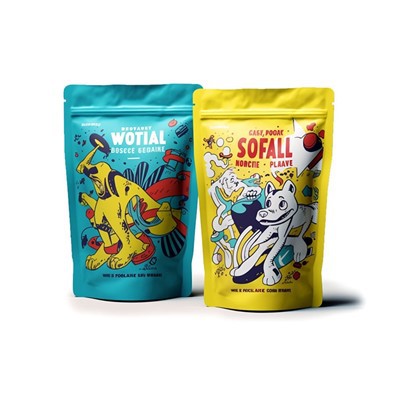
First, let’s cut to the chase: a liquid bag’s waterproofing isn’t just about the material it’s made of. Yeah, high-quality plastic or laminated film helps, but if the seams are poorly sealed, or the opening’s not properly coated, even the best material will leak. So we test both the bag’s body and the critical seams every single time before a customer takes delivery. Let’s break this down step by step, no fluff included.
The Quick At-Home (Or Warehouse) Test: No Fancy Gear Needed
If you’re just checking a single bag before using it, this is the go-to. Grab your liquid (we use regular tap water for most tests, since it’s easy to get, but sometimes we test with slightly thicker liquids like juice or mild soap—same core method works).
- Start with a clean, dry countertop—you don’t want a hidden spill messing up your results. Lay the bag flat, smooth out any wrinkles, because creases can hide tiny gaps that might leak once liquid’s inside.
- Fill it ¾ full—don’t overstuff it. Overfilling stretches the material and puts extra pressure on the seams, which can make small issues pop up. Leave a little air at the top too; it helps with visibility later (bubbles = gaps, duh).
- Seal it properly—if your bag has a zip closure, make sure you hear that little “click” every couple inches along the track. For heat-sealed bags (like many of our bulk storage ones), double-check that the edge looks smooth, no crinkles or un-sealed spots along the weld.
- Flip and squeeze—hold the bag over your sink (or a tray, if you’re testing a delicate one) and gently turn it upside down. Give it a light squeeze on the sides, especially along the top seam and the bottom corners where pressure builds. Wait 30 seconds. If no beads of water seep out, great. If you see even a tiny line of moisture, that’s a red flag.
Wait, hold on—this test works for single bags, but what if you’re checking an entire batch? One bad bag is one thing, but if a whole pallet has issues, that’s a problem. Also, this quick test misses something important: what happens when the bag is moving, not just sitting flat? Like, if you’re shipping a pallet of liquid bags across the country, they’ll jostle, stack, and get bumped. So we do a “rough handling test” for bulk orders. Grab 5 random bags from the batch, fill them up, seal ’em, toss them into a cardboard box (like a shipping box), shake the box for a minute, then dump the box out and check each bag. If any leak, that batch is a no-go for us.
The More Detailed (But Still Cheap) Test for Seams
Here’s where a lot of people mess up—they test the bag body, but ignore the seams, which are actually the weakest part. Seams can have micro-gaps that don’t show up in a quick flip test, especially if you’re using thicker liquid. To catch those: grab a spray bottle with water (add a tiny bit of food coloring if you want to see leaks easier—we use blue food coloring in our warehouse because it stands out) and spritz the seams lightly. Wait a minute, then wipe the seam with a paper towel. If the paper towel is damp, there’s a gap. If the seam is glued (not heat-welded, like some smaller ziplock-style liquid bags), run your finger along the seam too—if it feels rough or peels a little, that’s another sign it’s not sealed right.
For our laminated liquid bags (used for things like food-grade sauces or industrial chemicals), we also test the bond between the layers. If the inner layer (the one that touches liquid) separates from the outer layer, that creates tiny spaces where liquid can seep through. To check that, just pull gently at a corner seam—if you hear a tiny “rip” or the layers start to come apart, it’s not waterproof. A good seam will stay intact, no peeling.
What About Bags That Hold Hot Liquids?
If you’re testing liquid bags for hot coffee, soup, or even hot industrial liquids, add one more step to the test. Fill the bag with warm water (not boiling, since that can damage most bags, but around 140°F is what you’d get from a coffee machine) and let it sit for 2 hours. Then flip it and check. Hot liquids soften some plastic materials, so a seam that works with cold water might leak when it’s warm. We test all our hot-use liquid bags this way, because nothing’s worse than a leaking hot soup bag ruining a delivery.
Common Mistakes People Make When Testing
I see this all the time, so let’s clear it up:
- Don’t test with super thick liquids first. Honey or syrup is too thick, so it can hide small gaps. Stick to water for basic tests—if it works with water, it’ll work with most other liquids (unless they’re super thick, then you can test a sample with that).
- Don’t skip the squeeze. Even if no water comes out when it’s sitting, squeezing puts pressure on the seams, which is what happens when you stack bags or move them. If you skip this, you’ll miss tiny leaks that only show up under pressure.
- Don’t ignore the top opening. The zip or seal at the top is just as important as the bottom. A lot of leaks happen because the zip wasn’t clicked all the way, or the heat seal on the top edge had a gap that only shows when you squeeze the bag.
As a liquid bag supplier, I can tell you that we’ve worked with tons of customers who’ve had issues because they didn’t test properly. One restaurant client a while back ordered a cheap batch of soup bags from a random supplier, and when they filled them with hot tomato soup, 10% leaked during delivery—ruining dozens of takeout orders. We fixed that for them by providing a batch that passed all our tests, including the hot liquid test, and they’ve been with us ever since.
Still Unsure? Let’s Chat
If you’re ordering in bulk, or you have a specific use case (food-grade, industrial, medical, whatever), don’t rely on these basic tests alone. Ask for a sample batch first, run through the tests we talked about, and if you have questions, just reach out. We don’t do confusing sales pitches—we’ll walk you through exactly what our tests check, why our bags hold up better than cheap alternatives, and even send you a copy of our test results for any batch.

At the end of the day, a good liquid bag isn’t just about the label saying “waterproof.” It’s about the seams, the material, and how it holds up to actual use—whether that’s sitting on a shelf, being jostled during shipping, or holding a hot liquid. We stand behind all our bags because we test every single one before it leaves our warehouse, so you won’t get stuck with a batch that leaks when it matters. So if you’re ready to order, or just want to ask a quick question about testing, don’t hesitate to get in touch.
References
Liquid Bag ASTM D774-17, Standard Test Method for Water Vapor Transmission of Flexible Barrier Materials
Packaging Digest, "Best Practices for Testing Industrial Liquid Packaging"
Food and Drug Administration, "Guidance for Industry on Food Contact Substances in Flexible Packaging"
Shenzhen Hongbang Packaging Production Co., Ltd.
We are one of the most experienced liquid bag manufacturers and suppliers in China, specialized in providing high quality custom service. Please feel free to buy bulk liquid bag made in China here from our factory. For quotation and free sample, contact us now.
Address: Room 601, BLDG D, Wisdom Centre, No. 58 Nanlian Road, Longgang, Shenzhen China 518116
E-mail: pm@hongbangpack.com
WebSite: https://www.hongbangpack.com/
