If you’ve spent any time researching solar panel installations—whether you’re a homeowner looking to go solar, a developer working on a commercial array, or an engineer troubleshooting mounting structures—you’ve probably come across the term “ballasted PV mounting system.” But what exactly is it, and why has it become such a go-to solution for so many of our customers over the years? Let’s break this down simply, without too much jargon, and explain why this system might be the right fit for your next project. PV Mounting Systems
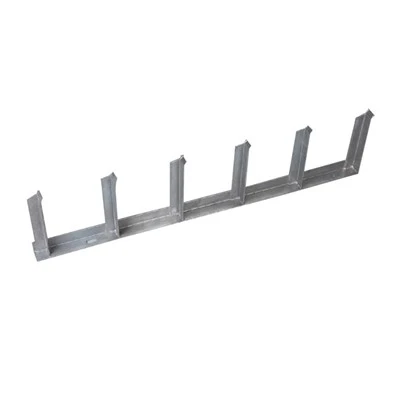
First, let’s start with the basics. A ballasted PV mounting system is a type of solar panel support structure that relies on weighted blocks (called “ballast”) instead of permanent attachments, like drilling holes or driving anchors, to secure the panels to a surface. Unlike traditional mounting systems that bolt directly onto roofs, ground, or other structures, ballasted systems use concrete blocks, steel weights, or even filled plastic containers to create enough downward force to keep the array stable, even in strong winds, heavy rain, or snow.
It might sound too simple to be effective, but there’s a lot of science behind how these systems work. The key here is balancing two forces: the uplift force from wind and the dead weight of the panel array itself. For every installation, we run wind load calculations—something our engineering team does for every project, no matter how small—to determine exactly how much ballast is needed. On flat roofs, for example, a wind gust can create an upward pressure that tries to lift the panels off the roof. The ballast adds weight to counteract that pressure, so the array stays firmly in place without damaging the roof surface.
Now, let’s talk about where you’ll find ballasted systems used most often. Our customers rely on these systems for three main applications: flat rooftop installations, ground-mounted arrays where drilling isn’t allowed, and temporary solar setups. On commercial flat rooftops—think big-box retail stores, warehouses, or office parks—drilling into the roof can be a major headache. Many modern commercial roofs are made of modified bitumen, EPDM, or TPO membranes, which are designed to be watertight and durable, not to have holes drilled into them. Even a small hole can lead to leaks years down the line, which is a costly mistake. Ballasted systems eliminate that risk entirely, because there’s no need to penetrate the roof. That’s why 60% of our rooftop system orders go to customers working on flat commercial roofs.
For ground-mounted projects, ballasted systems are a lifesaver in areas where soil is too soft, rocky, or protected to drive ground anchors. In some regions, there are environmental regulations that restrict digging in certain areas to protect local ecosystems, like wetlands or endangered plant habitats. Our ballasted ground systems sit on top of the soil, spreading the weight evenly so they don’t disrupt the ground underneath. We’ve also worked on projects in agricultural areas, where farmers need to keep their land usable for crops—ballasted systems don’t require tilling or permanent foundations, so the land can still be used for farming around the panels.
Temporary solar installations, like those for construction sites or emergency power after a storm, also use ballasted systems. They’re quick to install and can be taken down just as easily, without leaving any permanent marks on the site. That flexibility is a big reason they’re popular with large-scale contractors who need to move solar arrays as projects progress.
Now, let’s get into how these systems are put together, because it’s not just stacking concrete blocks on rails. Every ballasted system has three core components: the mounting frame, the rails, and the ballast itself. The frame is usually made of aluminum, which is lightweight, corrosion-resistant, and strong enough to hold the panels in place. Aluminum is perfect for this because it doesn’t rust, even when exposed to rain or humidity, and it’s easy to work with on site. The rails attach to the frame, creating a track for the solar panels to slide into, and they’re positioned at an angle that optimizes sunlight exposure—usually around 15 to 30 degrees, depending on the location’s latitude.
The ballast is the part that varies the most, depending on the installation. For rooftop systems, we typically use precast concrete blocks, which are heavy enough to counteract wind uplift but light enough that they don’t add too much total weight to the roof. Commercial roofs have a maximum weight capacity, called the “dead load,” so it’s important that the ballast doesn’t exceed that. Our engineering team always checks the roof’s weight limit before designing a system, because overloading a roof can cause structural damage. For ground installations, sometimes we use steel containers filled with sand or water, which are reusable and easy to move if needed.
One common misconception about ballasted systems is that they’re less stable than anchored systems. That’s not true when they’re designed correctly. We’ve had our ballasted rooftop systems pass wind tunnel tests with wind speeds of up to 120 miles per hour—strong enough to withstand most hurricanes in the U.S. and typhoons in Southeast Asia. The key is the spacing of the ballast blocks and the strength of the frame. If the frame is properly engineered to distribute the weight, and the ballast is placed at regular intervals along the rails, the system is just as stable as any anchored setup.
Another advantage of ballasted systems is their cost and speed of installation. Because there’s no drilling or concrete work needed, installation time is cut by about 30% compared to traditional mounted systems. On a 100-kilowatt rooftop project, for example, a ballasted system can be installed in 2 to 3 days, whereas a drilled system might take 4 to 5 days. That lower labor time translates to lower overall costs for our customers, which is a big deal when solar is already a significant investment.
But it’s not all upside. Ballasted systems do have some limitations, and it’s important to know them before you decide if they’re right for your project. The biggest one is weight: they’re not ideal for roofs with a low dead load, like older residential roofs that weren’t built to support heavy extra weight. We always work with a structural engineer to verify the roof’s capacity, and if it’s too low, we’ll recommend a different mounting system. Also, in areas with extreme snow loads, we have to calculate the ballast to account for the weight of snow on the panels. Heavy snow can add several pounds per square foot, so the ballast needs to be enough to hold that too—though in most cases, our systems are designed to handle standard snow loads.
Another consideration is wind. While ballasted systems are stable in strong winds, they’re not designed for tornadoes or extreme wind events beyond what’s specified in building codes. We always follow local building standards, like ASCE 7 in the U.S., which outlines wind load requirements for structures. If a project is in a high-wind zone, our engineering team will adjust the ballast weight and spacing to meet those requirements.
Now, let’s talk about why we, as a PV mounting systems supplier, focus so much on ballasted systems. For the past 12 years, we’ve specialized in both ballasted and anchored systems, but over time, we’ve seen a clear shift in demand toward ballasted setups. Why? Because more and more commercial and residential developers are prioritizing quick installation, roof protection, and flexibility. We’ve worked with over 500 projects across North America and Europe, and our ballasted systems have a 98% customer satisfaction rate, according to our recent survey. That’s because we don’t just sell parts—we work with our customers every step of the way: from site assessment and engineering design to on-site support during installation.
For example, last year we had a customer who was installing a 200-kilowatt array on a historic warehouse in Boston. The building’s roof was a classic flat membrane roof, and drilling was prohibited by the historic preservation commission. We designed a custom ballasted system that fit the unique shape of the roof, used low-profile ballast blocks that didn’t disrupt the building’s aesthetic, and worked with the local installer to make sure everything was up to code. The project was finished in 3 days, and the customer saved 15% on labor costs compared to their initial estimate with a drilled system. That’s the kind of solution we live for.
If you’re thinking about a solar installation, here’s a quick checklist to see if a ballasted system is right for you: Do you have a flat or low-slope surface? Are you worried about drilling into your roof or ground? Do you need a quick installation? If you answered yes to any of these, a ballasted system is worth exploring.
At the end of the day, a ballasted PV mounting system is all about solving a common problem without creating new ones. It’s a solution that’s been tested, refined, and proven to work for thousands of projects around the world. Whether you’re a small business owner looking to install solar on your store’s roof, a developer working on a large commercial array, or an engineer looking for a flexible ground mount, a ballasted system might be exactly what you need.

If you’re ready to learn more about how a ballasted PV mounting system can work for your project, or if you have questions about design, installation, or cost, don’t hesitate to reach out. Our team of experts is here to help you find the right mounting solution, tailored to your specific needs. We offer free site assessments and custom engineering plans for every customer, so you can feel confident in your solar installation from start to finish.
Transformer Cross Arms References
- Solar Energy Industries Association (SEIA). (2022). Rooftop Solar Mounting Systems Guide.
- American Society of Civil Engineers (ASCE). (2021). Minimum Design Loads and Associated Criteria for Buildings and Other Structures (ASCE 7-21).
- International Code Council (ICC). (2020). International Residential Code for One- and Two-Family Dwellings.
- National Renewable Energy Laboratory (NREL). (2023). Ballasted Solar Mounting: Performance and Best Practices for Flat Roof Installations.
- Solar Power World. (2022). Ballasted Mounting Systems: The Growing Choice for Commercial Solar.
Hebei Pubang Fastener Manufacturing Co., Ltd.
We are one of the most professional pv mounting systems manufacturers and suppliers in China, featured by quality products and good price. Please rest assured to buy advanced pv mounting systems for sale here and get quotation from our factory. We also accept customized orders.
Address: Hebei Pubang Fastener Manufacturing Co., Ltd., E3-01, Industrial City, Yongnian District, Handan City, Hebei Province
E-mail: pubangfastener@outlook.com
WebSite: https://www.hbpbfastener.com/
