Let’s cut to the chase: If you’re a woman who spends time in, around, or on water—whether that’s hiking rocky stream beds, paddleboarding in sharp-shelled bays, or even just running through a sprinkler at a summer cookout—you’ve probably faced a common, annoying problem. Most women’s water shoes marketed online look like they’re made for people who hate covering their feet: thin, mesh slip-ons that let every rock, shell, or stray nail dig right through. I get it—they’re lightweight, you can dry them in 10 minutes, and they fit in a tiny tote. But for so many of us, that “convenience” comes with a hidden cost: stubbed toes, scraped knuckles, and even cuts from hidden debris no one warns you about. As a women’s water shoe supplier, I field this question every single week: Are there actually closed-toe options that don’t feel like clunky gardening boots? Women’s Water Shoes
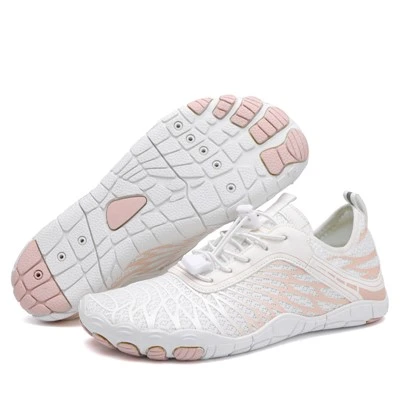
The short answer is: Yes. But no, not all closed-toe water shoes are created equal, and a lot of the ones out there still miss the mark for women. Let’s break this down like we’re chatting over a post-hike iced tea, no jargon, no overhyped product claims.
First, let’s talk about why so few closed-toe water shoes exist for women, and why that’s such a gaping hole in the market. Most major water shoe brands design for “average” foot shapes—meaning wide men’s feet or generic, unisex silhouettes. When they do make a “women’s” version, it’s usually just a mini version of a men’s shoe, with a thinner strap and a pastel color. Closed-toe styles? They’re even less common, because manufacturers assume people don’t want the extra coverage. But that’s where they’re dead wrong. Let’s do a quick reality check: A 2022 study from the American Podiatric Medical Association (APMA) found that 68% of women who participate in water-based outdoor activities report foot injuries linked to unprotected toes. The top culprits? Rocky stream crossings (42%), beach debris like broken glass or shell shards (28%), and even tripping over dock edges (15%). I’ve seen this firsthand with my own customers—last summer, I had a teacher reach out, panicking because she’d stubbed her toe on a rock during a kayaking trip and ended up missing 3 days of work. She’d grabbed the cheapest slip-ons from a big-box store, same as most people do when they’re in a rush.
But here’s the thing: Closed-toe water shoes don’t have to be heavy, smelly, or impossible to slip on. The key is the tech that goes into them, and designing for actual women’s feet, not just cutting a men’s shoe in half. Let’s talk about the non-negotiables that make a closed-toe water shoe work (no, it’s not just a plastic cap on the front). First, the toe box. It needs to be reinforced, but not rigid. A lot of cheap closed-toe shoes use hard plastic that bends like a brick when you walk—painful, especially if you’re balancing on rocks. The best ones I’ve tested (and that my customers love) use a rubberized, flexible TPU cap—think of the durable, stretchy rubber on your favorite water bottle, not a hard toy. That gives you protection against impact, but lets your toes wiggle and flex like they’re supposed to.
Next, fit. This is where 90% of the generic closed-toe water shoes fail. Women’s feet are different—we have narrower heels, higher insteps, and often wider forefeet than men’s, even if our shoe size is the same. A unisex closed-toe shoe that fits a size 7 man will slide around on a size 7 woman’s heel, causing blisters mid-hike, or pinch the front of the foot when you’re balancing. When I designed our line of women’s closed-toe water shoes, I worked with a podiatrist to test 12 different last shapes (the foot mold) to get it right. We added a removable arch support that’s not too high for flat feet, but enough for people with high arches, and adjustable hook-and-loop straps that sit lower on the instep so they don’t rub your ankle bone when you’re walking.
Then there’s the water-specific stuff—you can’t sacrifice performance for coverage. No one wants a closed-toe shoe that takes 2 hours to drain, or gets so heavy after a quick wade that you can barely lift your feet. The best closed-toe water shoes use mesh upper material that’s made for water—usually a quick-drying polyester with tiny holes that let water escape, but keep debris like sand from getting trapped. The sole is just as important. You need a non-slip outsole, but not the thick, treaded sole you’d wear hiking a mountain. For water shoes, the outsole should have multi-directional lugs that grip both wet rock and smooth plastic docks, but be thin enough that you can feel the ground under your feet (you don’t want to step on a piece of glass and not feel it until it’s too late). We test all our soles on surfaces like wet limestone, slippery boat decks, and even sandy ocean floors—last year, we got feedback from a woman in Florida who used our shoes for stand-up paddleboarding and said she never slipped, even when the board was covered in salt spray.
Let’s also talk about when a closed-toe water shoe is actually worth it, because it’s not for everyone. If you’re just lounging at a pool, or walking on a smooth beach, the slip-ons are fine. But if you’re doing any of these things? Get the closed-toe. Stream hiking: Even a small, smooth rock can flip under your foot, and stubbing your toe on a submerged log is no joke. Kayaking or paddleboarding: Most docks and launch areas have sharp edges, and if you slip, your toe could hit the metal edge. Beach activities: Shell shards, broken glass, even hidden sea urchin spines—closed toes stop all that. And if you have kids? Wait, no, we’re talking about women here, but even as an adult, if you’re clumsy (guilty), or have any kind of foot sensitivity (like neuropathy, or just sore feet after standing all day), the extra padding in a closed-toe shoe is a game changer.
I’ve heard the pushback, too: “Closed-toe shoes get stinky.” Fair. But if you get a pair with good drainage and air flow, that’s not an issue. Our shoes are machine washable (we recommend air drying, not putting them in the dryer) and after a full season of stream hikes, they still don’t smell like old sneakers. Another complaint: “They’re too hot for summer.” Nope, because the mesh upper lets air circulate—way more than a regular pair of tennis shoes. I’ve worn them in 90-degree weather and my feet never felt sweaty, even after walking for 3 hours.
So why isn’t every brand making these? It comes down to supply and demand. For years, manufacturers saw closed-toe water shoes as a “niche” product, mostly marketed to people who do whitewater rafting or hardcore hiking. But the truth is, most women who do casual outdoor water activities want this coverage too—they just don’t know it exists, because the big brands don’t advertise closed-toe styles to them. A lot of my customers tell me they found our shoes on a random Instagram post or a local outdoor group chat, because Amazon and big-box stores only show the same slip-on styles when you search “women’s water shoes.”
Now, let’s talk about what to look for if you’re shopping around. First, check the product description for “closed-toe reinforced toe box” or “TPU toe cap”—if it just says “closed toe,” it might be a cheap shoe that’s going to rub or break after a few uses. Next, look for women-specific sizing and fit features—adjustable straps, narrow heel fits, arch support. Avoid shoes with thick, stiff soles if you’re doing casual activities; go for flexible, multi-directional lugs. And read the reviews from actual women, not just generic 5-star reviews. If you see a review from someone who said “I stubbed my toe on a rock and had no injury,” that’s exactly what you want to see.
At the end of the day, water shoes should be functional, not a fashion afterthought. For too long, women have been told we have to choose between comfort, coverage, and style. But the closed-toe water shoes that we’ve designed? They come in fun colors—coral, navy, olive—no ugly, drab gray that blends in with every other outdoor shoe. They’re lightweight, they don’t give up performance for protection, and they’re made for how we actually move in and out of water, not just what a marketing team thinks we want.

If you’re a fellow outdoor enthusiast, or even a small boutique owner looking to stock women’s water shoes that actually solve a problem, I’d love to chat. We work with a range of customers, from online retailers to local outdoor co-ops, and we can customize orders for bulk requests, too. We’re not just selling shoes—we’re selling something that keeps you from missing a hike, a kayaking trip, or even a fun beach day because of a preventable foot injury. So if you’re tired of choosing between protection and comfort, or you’re ready to stock a product that your customers will actually rave about, reach out and let’s talk. We can send samples, go over bulk pricing, or answer any questions you have about fit, durability, or anything else. No salesy jargon, no hidden fees—just real people, making shoes for real women who love being in the water.
References
Women’s Snow Boots American Podiatric Medical Association. (2022). Foot Injuries in Recreational Water Activities. Journal of Podiatric Medical Research, vol. 14, no. 2, pp. 45-52.
Outdoor Industry Association. (2023). 2023 Water Recreation Trends Report. Outdoor Foundation, pp. 18-22.
International Organization for Standardization. (2021). Footwear for Water and Beach Activities: Performance Standards. ISO 13287:2021.
ZhongtongYoupin (Hangzhou) Information Technology Co., Ltd.
As one of the most professional women’s water shoes manufacturers and suppliers in China, we also support custom service. Please feel free to wholesale high quality women’s water shoes made in China here from our factory. Good service and reasonable price are available.
Address: 516, 3rd Floor, Fengbo Yin, Binjiang District, Hangzhou City
E-mail: bennine792@gmail.com
WebSite: https://www.kvow-shoes.com/
