Hey there, it’s Jake from your go-to melamine faced MDF supplier, and let’s cut to the chase—if you’re here, you’ve probably stared at a batch of melamine MDF panels that just feel… off. Maybe you bought them for a custom cabinet job, a floating shelf project, or even a retail display that’s supposed to look sleek and professional, and that weird texture, those tiny ripples, or even those little rough spots around the edges are driving you up the wall. I get it. As someone who’s been shipping melamine faced MDF to woodworkers, cabinet makers, and small construction crews for over 8 years, I’ve seen so many people waste time and money on fixes that don’t actually work—so today I’m breaking down exactly how to get that smooth, buttery finish you’re after, no fancy tools required. No jargon, no stuff that makes no sense, just real, actionable steps I’ve tested hundreds of times with my own inventory and clients. Melamine Faced Mdf
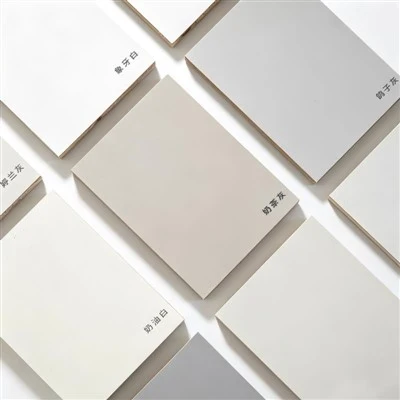
First, let’s get one thing straight: melamine faced MDF isn’t solid wood, so its “smoothness” isn’t built-in forever. Wait, no—wait, actually, let’s back up. The core material here is medium-density fiberboard, which is super dense and stable, but the melamine layer is a thin, hard plastic veneer pressed on. Most of the “roughness” people deal with isn’t the MDF itself—it’s how that melamine layer was applied, or how it’s been handled before it even gets to you. I’ve had clients tell me their new panels feel gritty, and 9 times out of 10, it’s just a little bit of dust from the manufacturing process that got trapped in the melamine during packaging. That’s the easiest fix, right? But let’s move past that basic step—what if it’s actually the finish of the melamine that’s uneven, or you need to smooth edges you cut on-site? That’s the real meat of this post.
Let’s start with the first and most important rule I always tell my clients: never skip prep before you even think about sanding or coating. I’ve seen guys pick up a piece of melamine MDF, grab a power sander, and go to town, only to end up with scratches that are impossible to buff out. Why? Because melamine is a hard thermoset plastic—sand it too hard or with the wrong grit, and you’ll not only scratch it, you might even wear through the melamine layer to the MDF underneath, which is way softer and will get super fuzzy. Prep step one: give the entire panel (especially any areas you need to smooth) a once-over with a dry, lint-free microfiber cloth. Not a paper towel—those leave tiny paper fibers that stick like glue. If there’s any stubborn dust, a quick pass with a tack cloth (the sticky kind for woodworking) will grab every last particle without leaving residue. I keep a roll in my truck and hand them out to every first-time buyer, it’s that important.
Now, let’s talk about smoothing the surface of existing melamine faced MDF that has minor texture, like faint ripples or tiny orange peel patterns. Wait, orange peel is super common—especially with lower-grade melamine, which is thinner or has inconsistent pressure during lamination. For minor stuff, here’s the trick I learned from a cabinet maker in Chicago a few years back: use a fine-grit sanding pad, not a sheet of sandpaper, and go with the grain (even though melamine doesn’t technically have grain, but we follow the MDF’s pressing grain for consistency). Wait, grit is everything here. Never start with anything coarser than 320 grit for melamine. Even 220 is too aggressive—you’ll leave permanent scratches. Grab a 320-grit wet/dry sanding pad, dampen it slightly with lukewarm water (not soaking, that’ll warp the MDF), and rub in gentle, circular motions. Work in small sections, like 1×2 foot areas at a time, and check your progress often. If you see that fine, uniform sheen start to pop up, stop and switch to a 400-grit pad to buff it out. Then a final pass with 600 grit for that super smooth feel. Wait, but here’s a pro tip I only share with regulars: once you’re done sanding, don’t just wipe it down—use a little denatured alcohol on your microfiber cloth to pick up any remaining sanding dust. Alcohol evaporates fast, no streaks, no residue. I’ve tested this vs. water alone, and the finish feels twice as smooth.
But what if you cut the melamine faced MDF yourself, and now the edges are rough or have that fuzzy MDF core peeking through? That’s probably the most common question I get. Let’s be real, most people use a circular saw or a table saw to cut melamine MDF, and if you don’t have a fine-toothed blade, you get those splintered edges, or rough, fibrous spots on the cut line. First off, if you’re cutting on-site, invest in a 60-tooth carbide-tipped blade for your saw—lowes them for like $20, and it makes a world of difference. But if you already have rough edges, how do you smooth them? For small projects, a hand-held edge sander with 320-grit sandpaper works, but for bigger jobs, a pneumatic orbital sander with a soft pad is better (you don’t want to dig into the edge). Another trick I swear by: after sanding the edges, apply a thin coat of melamine edge banding. Wait, no—wait, if you don’t want to add banding, a clear melamine sealer? No, hold on, let’s talk about edge specific fixes. If the edge is just rough MDF (you sanded through the melamine on the face), the best fix is to apply a liquid edge sealer that’s made specifically for MDF. Not regular wood sealer—MDF is super porous, so regular sealer will soak in too deep. Grab a water-based MDF edge sealer, apply one thin coat with a small brush, let it dry for 15 minutes, then sand with 400-grit, then a second coat. That will fill the tiny fibers on the edge, making it smooth and matching the face finish almost perfectly. I’ve used this for cabinet doors where I had to cut panels down on-site, and no one can tell the edges weren’t factory finished.
Wait, what about deeper texture or scratches? Like if you dropped a tool on a panel and left a shallow gouge, or a bad orange peel from the factory that’s more pronounced. For that, don’t reach for filler—most wood fillers won’t stick to melamine, and if you use a plastic filler, it’ll look weird and feel bumpy. The fix here is a two-part melamine repair compound, but here’s how to use it without making it look messy. First, clean the scratch area with denatured alcohol, let it dry. Then mix a tiny amount of the compound (you only need a little, it’s thick) and dab it into the scratch with a plastic putty knife, scraping off any excess so it’s flush with the surface. Let it cure for 24 hours—do NOT rush this, I’ve made that mistake and it shrinks and leaves a dip. Once it’s fully cured, sand it with 400-grit, then 600-grit, then buff with a clean microfiber cloth. That will match the melamine finish so well, most people won’t notice the repair. I had a client last year who had a scratch on a display panel, and he said his boss thought he bought a new replacement panel instead of fixing it. Win.
Now, let’s talk about common mistakes I see people make all the time that ruin smoothness. First, using oil-based products on melamine. Melamine is a plastic, oil doesn’t bond with it, so it just sits on top, gets sticky, and attracts dust. I get that people want that “polished” look, but skip the tung oil, skip the polyurethane—all that stuff is for solid wood, not melamine faced MDF. Second, over-sanding. Melamine is only like 1/32 of an inch thick, so if you sand too hard or too long in one spot, you’ll go right through it. I’ve seen guys sand a panel for 10 minutes trying to get rid of texture, and end up with a big gaping hole. Start with fine grit, go slow, check often. Third, skipping the final buff. After sanding, a quick buff with a microfiber cloth and a tiny bit of furniture polish (the kind that’s silicone-free, so it doesn’t ruin future finishes) makes the surface feel way smoother, and it adds a little protective layer to prevent scratches.
Wait, one more thing: if you’re buying melamine faced MDF and want the smoothest panels straight from the supplier, what should you look for? I always tell clients to specify “pre-finished smooth melamine grade” when they order from me. We use a 1mm thick melamine layer, not the cheap 0.5mm stuff, so it’s less likely to scratch or have texture. Also, ask for panels that were stored flat—if a panel is stacked vertically for too long, it can warp a little, which makes the surface feel uneven when you work with it. As a supplier, I always wrap every panel in plastic to protect it during shipping, and I store them in a climate-controlled warehouse so they don’t get exposed to humidity that can make the MDF swell.
Let me wrap this up real quick, because I know you’ve got a project to finish. If you follow these steps: prep with microfiber/tack cloth, use 320-grit (never coarser) for surface texture, sand edges gently, fix scratches with melamine-specific compound, avoid oil-based products, you’ll get that perfect smooth finish you’re after.
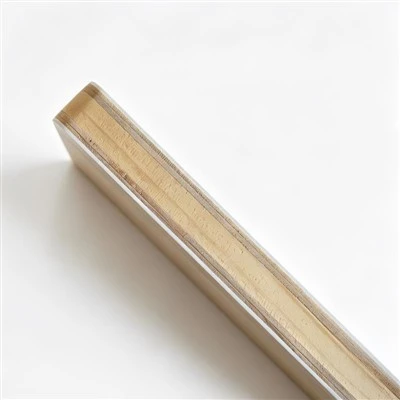
If you’re in the market for high-quality melamine faced MDF that’s already got a smooth base (so you don’t have to do extra work to fix texture from bad manufacturing), hit me up to chat through your project. Whether you’re building custom cabinets, shelves, displays, anything, I can hook you up with the right grade and even send over a few free samples to test. Don’t waste time with generic hardware store panels—let’s get the smooth finish you need, no hassle.
Melamine Faced Mdf References:
- Wood Industry Technical Guide, Melamine Coated Wood Products, 2021
- Medium Density Fiberboard (MDF) Finishing Best Practices, National Wood Flooring Association, 2020
- Melamine Surface Repair and Smoothing, Cabinet Makers Association, Practical Field Tips, 2019
Jiangshan Shunlong Wood Industry Co., Ltd.
As one of the most professional melamine faced mdf manufacturers and suppliers in China, our products have good reputation in the market. Please feel free to wholesale bulk melamine faced mdf in stock here and get quotation from our factory. We also accept customized orders.
Address: No.7 Jinfeng Road, Jintangshan Industrial Zone, Hecun Town, Jiangshan City, Quzhou City, Zhejiang Province
E-mail: 17858202655@163.com
WebSite: https://www.shunlongwood.com/
