Hey there, fellow gardeners and tool lovers! Let’s be real—you probably don’t spend a ton of time thinking about protective fittings for your garden tools, right? I get it. Your focus’s on planting tomatoes, trimming hedges, or getting that old tiller running for spring. But here’s the thing: those small, easy-to-miss parts? They’re the reason your tools last 5+ years instead of falling apart after one season. I run a small protective fittings supply company, and I’ve talked to hundreds of gardeners who’ve had a tool break mid-job because they skipped the basic fittings. Today, I’m breaking down exactly what those protective fittings are, why they matter, and which ones you actually need for your go-to gear. Protective Fittings
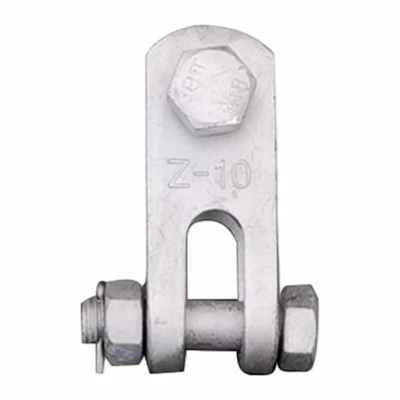
First off, let’s clear up what we mean by “protective fittings.” These aren’t fancy gizmos—they’re the small, purpose-built parts that prevent wear, tear, and accidents on your garden tools. Think of ‘em as the unsung heroes that keep your rakes, shovels, shears, and even power tools from crapping out when you need ‘em most. I see so many folks using a shovel without a grip bumper, or hedge trimmers without blade covers, and it makes my head spin. Let’s dive into each type, one by one.
Starting with hand tools—you know, the ones you use every single day. Shovels, spades, rakes, hoes. The biggest wear point on these? Where the handle meets the head. If you’ve ever gripped a shovel hard while digging, you’ve probably felt that rough metal edge of the head dig into your palm after a while. That’s where handle guards (or grip bumpers) come in. These are usually made of durable rubber or polypropylene, slip right over the top of the shovel head where the handle extends, and create a soft, protective layer. They also stop the wooden (or fiberglass) handle from splitting where it’s inserted into the metal head. I’ve had a customer tell me they replaced 3 shovel handles a year until they started using our handle guards—now they only replace ‘em every 3 years. That’s a huge cost save, right?
Next up on hand tools: rake tines protectors. Rakes get tossed around in sheds, propped against fences, or even left out in the rain sometimes. Those thin metal tines bend, rust, or snap off way faster than they should if you don’t cover ‘em. Rake tine protectors are simple, rubber caps that slip over the ends of the tines when the rake’s not in use. They prevent the tines from getting bent if you drop the rake, keep moisture out (which stops rust), and even make ‘em less of a hazard if a kid runs by and bumps into them. I once had a gardener bring in a bunch of bent rakes—they’d been storing ‘em in a stack, and the tines were poking into each other. A set of tine protectors would’ve fixed that right up.
Then there’s pruning shears and hedge trimmers—tools that deal with sharp blades all the time. The big protective fitting here is blade guards. These are hard plastic (or sometimes heavy-duty fabric) covers that slide over the sharp blades when you’re done using them. Obvious benefit: stops you from cutting yourself when you’re putting the shears back, and keeps the blades from dulling if they bang against other tools in your toolbox. Wait, another thing I don’t see enough? Pivot point bushings for shears. The pivot is where the two blades connect, and it takes a ton of friction every time you snip a branch. If there’s no bushing, the metal blades rub against each other, get loose, and stop cutting clean. Our pivot bushings are made of self-lubricating nylon, so they cut down on friction and keep your shears tight. A lot of people think they need to buy new shears when they get loose, but a $2 bushing fix works way better.
Now, let’s talk power garden tools—those tillers, leaf blowers, and string trimmers that make big jobs way easier. These have their own set of protective fittings that are super important. Take string trimmers, for example. The trimmer head takes a beating: the line gets worn down, the head can crack from hitting concrete or rocks, and the shaft can get scratched or dented. Trimmer head guards? No, wait—specifically, shaft protectors for the upper shaft. The upper shaft is where you grip, so it’s exposed to dirt, moisture, and accidental bumps. Our shaft protectors are slip-on foam wraps with a hard outer shell, so they absorb impacts and keep the metal shaft from rusting. Also, string trimmer line caps—those small plastic pieces that hold the spool of line in place. If that cap breaks, the line can come loose mid-use, tangling up and ruining your whole job. It’s a $1 part, but it saves you from a headache for sure.
For tillers, the key protective fitting is tine shields. Those sharp, rotating tines are what break up soil, but if you’re working around plants, rocks, or your own feet, they’re dangerous. Tine shields are adjustable metal or plastic guards that attach to the tiller frame, covering the top part of the tines so they don’t fling soil or debris everywhere, and also prevent you from accidentally stepping too close. I’ve had a customer who used his tiller without a shield and hit a rock—bent 2 tines and scratched the frame. A $30 tine shield would’ve not only prevented that damage but also made his tilling job way cleaner.
Wait, what about storage? A lot of people overlook storage fittings, but they’re just as important. Tool belt keepers—those small plastic or metal clips that attach to your tool belt to hold things like a hammer or screwdriver. If you don’t have ‘em, your tools will slip off the belt when you’re climbing a ladder or bending over, and you might lose ‘em or drop them on someone. Also, wall mount brackets for large tools like shovels and rakes. Our heavy-duty wall brackets are made of galvanized steel, so they hold up in damp garages, and they prevent your tools from falling over and getting damaged. I had a gardener tell me he dropped a rake on his power washer last year, cracking the pump—totally avoidable if he’d used a wall mount bracket.
Let me be real with you here: I know a lot of you are the type to “make do” instead of buying replacement parts. You might use duct tape to fix a loose shovel handle, or a plastic bag as a blade guard. I get it—who wants to spend extra money on small parts? But here’s the catch: those cheap fixes don’t last, and they can actually make your tools more dangerous. Duct tape on a shovel handle won’t stop the metal head from digging into your palm, and a plastic bag on shear blades can tear off and get caught in the moving parts. Our protective fittings are designed specifically for each tool, so they fit right, work, and save you money in the long run. Let’s do the math: a handle guard is $5. If it keeps your shovel handle from splitting, that’s $20 for a new handle, so you’re saving $15 right there. Multiply that by 5 tools, and you’re looking at $75 in savings. It adds up fast.
I also want to mention safety fittings, because that’s a big part of what we do. For example, ear muff protectors for power tools like leaf blowers and chainsaws. Loud noise can damage your hearing over time, and those muff attachments are cheap and easy to install. I’ve seen so many gardeners with ringing ears after a day of using a chainsaw—they don’t realize that small protective fitting could prevent permanent hearing loss. Same with knee pads for kneeling on hard surfaces—wait, is that a protective fitting? Kind of! Knee pad inserts that slip into your work pants protect your knees from scrapes and joint pain, which is super important if you spend hours gardening every week.
Now, let’s get into some common mistakes I see gardeners making with these fittings. First, buying generic parts instead of tool-specific ones. A rake tine protector from one brand might not fit another rake’s tines, so make sure you check the measurements before buying. Second, not replacing fittings when they’re worn out. A cracked blade guard won’t protect your blades or your hands, so swap it out as soon as it shows wear. Third, storing fittings with your tools. If you leave tine protectors in a toolbox by themselves, you’ll lose ‘em, right? Keep a small bag of replacements in your garage drawer, so you can grab ‘em when you need ‘em.
Here’s a quick pro tip from our team: Do a tool check every spring. Go through all your garden tools, look for worn or damaged parts, and stock up on the protective fittings you need. It takes 15 minutes, and it’ll save you so much time and money during the busy planting season. I always keep extra handle guards, blade covers, and pivot bushings in stock at our warehouse, because I know how fast people go through ‘em.
At the end of the day, gardening should be fun, not a chore filled with broken tools or avoidable injuries. The right protective fittings aren’t just accessories—they’re investments in your tools, your safety, and your garden time. If you’re not sure which fittings you need for your specific tools, just reach out. We’ve got a team that’s been in the garden industry for years, and we can help you pick exactly what works for you. No pushy sales stuff, just straight-up advice from people who get it.
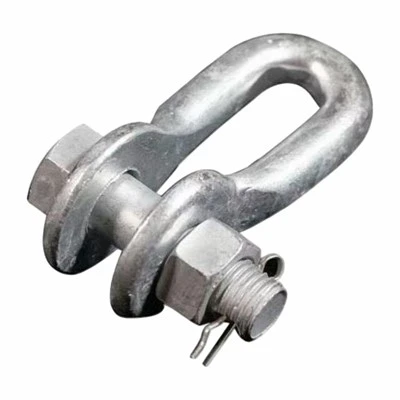
Ready to upgrade your tool care? Hit us up to chat through your needs—we’d love to help your garden gear last as long as possible.
Protective Fittings References:
- National Gardening Association. (2022). Tool Maintenance for Home Gardeners. Retrieved from industry gardening publications
- American National Standards Institute. (2021). Safety Standards for Hand and Power Garden Tools.
- Garden Industry Manufacturers Association. (2023). Cost-Benefit Analysis of Tool Protective Accessories.
- Occupational Safety and Health Administration. (2022). Noise and Hand Tool Safety Guidelines for Outdoor Workers.
Hebei Tongchuang Power Fittings Co., Ltd.
With abundant experience, we are one of the most professional protective fittings manufacturers and suppliers in China. Please feel free to buy advanced protective fittings for sale here from our factory. Good service and quality products are available.
Address: Houxiaohan Industrial Zone, Xingbieying Town, Hejian City, Hebei Province, P.R. China
E-mail: tongchuangepf@gmail.com
WebSite: https://www.tongchuangpower.com/
