If you’ve spent any time in industrial surface finishing or metal treatment, you’ve likely encountered the same question I hear from plant managers, production supervisors, and even procurement teams over coffee at trade shows: “Can vegetable abrasive media actually hold up in our line of work?” For 12 years, I’ve been the founder and lead product developer at a small, family-run vegetable abrasive media supply company – the kind of place where I still take orders at 2 p.m. most days and test every new batch of corn cob or walnut shell we process before it ships out. I’ve seen this question turn into a “no” for countless operations over the years, mostly because people assume “vegetable” equals “flimsy” or “only good for light cleaning on car parts or home DIY.” Today, I want to break down when that assumption is wrong, which industrial applications actually rely on these materials, and why a growing number of operations are ditching synthetic abrasives for plant-based alternatives. Vegetable Abrasive Media
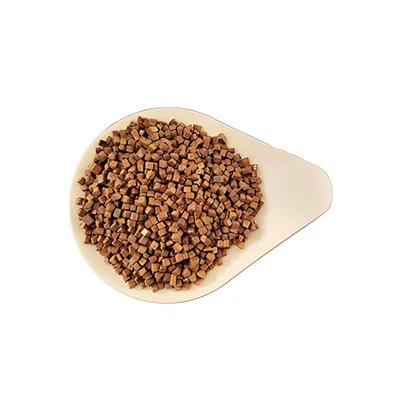
First, let’s clear up what vegetable abrasive media actually is, because a lot of folks mix it up with generic “natural abrasives.” We source our media from agricultural byproducts – the parts of crops that would otherwise go to waste after harvest – so it’s not a synthetic imitation designed to mimic nature. The most common types we sell are corn cob (crushed from the cobs left over after sweet corn processing), walnut shell (from the hard outer shells of walnuts not used for eating), and apricot kernel, though corn cob is by far the most versatile for industrial use. These materials get their abrasive quality from their hardness (corn cob has a Mohs hardness of 3.5, compared to 5 for aluminum oxide, the most common synthetic abrasive media) and their irregular, porous shape. They don’t have sharp, jagged edges like synthetic abrasives, which is a key point for industrial use.
Let’s start with the applications that have used vegetable abrasive media for decades, which is where most people’s familiarity comes from, but it’s worth reminding how critical those use cases are. The aerospace industry has relied on walnut shell media for aircraft component cleaning for nearly 40 years. When you need to remove paint, rust, or heat-treat scale from aluminum or titanium parts – parts that can’t take the high velocity or extreme force of steel shot blasting, which would cause micro-cracks or surface damage – walnut shell is ideal. It’s soft enough not to deform delicate components, hard enough to strip 99% of old paint in a single pass, and leaves a consistent, smooth finish that meets FAA guidelines for aerospace part integrity. I worked with a regional aerospace parts manufacturer in Texas last year that was switching from glass bead blasting for their turbine blade airfoil cleaning. Their old process would leave micro-scratches that required 2 hours of manual polishing per batch, adding 15% to their production costs. After testing our graded walnut shell media, they cut polishing time to 20 minutes per batch and reduced part rejection rates from 8% to less than 1%. That’s not a niche win – that’s a 6-figure annual savings for a single plant, all from a vegetable-based product.
Next, consider the automotive industry, specifically the sub-industries focused on engine component preparation and restoration. When rebuilding engines, mechanics need to clean engine blocks, cylinder heads, and camshafts without damaging the precision-machined surfaces. For years, steel shot was the go-to, but it left residual steel particles that can get trapped in oil passages, leading to engine failure later. Our corn cob media is treated to be low-dust and free of fine particulates, so it doesn’t leave behind contaminants. A classic car restoration shop outside Detroit that we’ve worked with for 8 years still sends me holiday cards – they switched from glass bead (which left a cloudy finish on aluminum blocks) to our medium-grit corn cob, and their customer satisfaction rating went up so much they expanded their production space last year. They even started using our fine-grit walnut shell for polishing vintage motorcycle gas tanks, a job where synthetic abrasives would cause too much heat and discolor the metal.
But the real growth area over the last 5 years, the one that’s made me stay up late troubleshooting media formulations, is in the food and beverage industry. This is a space where contamination control is non-negotiable, and synthetic abrasives have long been a weak point. Think about the large mixing tanks, conveyors, and processing equipment in a brewery or dairy plant. These need regular cleaning to remove product buildup – yeast residue on brew tanks, cheese curd on mixer walls, fruit pulp on juice processing lines. Most industrial cleaners use harsh chemicals that can corrode stainless steel over time, not to mention the risk of chemical residue getting into food products. Vegetable abrasive media, specifically food-grade corn cob, is approved by the FDA for incidental food contact (it’s even used to clarify some fruit juices!). We supply a craft brewery in Oregon that uses our fine corn cob in their in-situ blasting system for their 10,000-gallon stainless steel brew kettles. They run it at 20 PSI, no chemicals, and it removes 100% of old yeast and hop residue without scratching the tank’s surface. Before switching, they were using a combination of lye and manual scrubbing that took 8 hours per cleaning; now it takes 2 hours, and they’ve reduced their chemical waste output by 90%. That’s not just better for the planet – it’s better for their bottom line, because downtime costs them thousands of dollars per hour during peak production season.
Another application that’s been overlooked is mold and die cleaning, especially for plastic injection molders. Molds that make consumer products like water bottles, toys, and medical devices need to be cleaned every few runs to remove plastic buildup and release agent residue. If you use steel shot to clean a mold, it can erode the fine textures and engraving on the mold surface – the little details that make a toy’s face or a water bottle’s brand logo. Our ultra-fine walnut shell media is soft enough not to scratch mold steel, but abrasive enough to dissolve and remove even cured nylon or Teflon residue. A medical device molder in Minnesota that makes parts for insulin pens told me last year that their mold maintenance costs dropped by 35% after switching from synthetic micro-abrasives to our walnut shell media. They used to have to replace 2 small molds per year due to scratch damage from synthetic media; now they replace less than one every two years. For medical manufacturing, where precision and consistency are everything, this is a game-changer.
Now, let’s address the elephant in the room: the limitations, because I’m not here to sell you something that doesn’t work. Vegetable abrasive media isn’t right for every industrial job. If you need to remove heavy rust from steel beams or prepare a large metal surface for heavy coating where surface roughness is critical, steel shot or aluminum oxide will work faster and more cost-effectively. Vegetable media also isn’t designed for high-velocity blasting at more than 30 PSI – it will break down too quickly, wasting product and creating excessive dust. That’s why we always test a small sample for free before any bulk order; it’s part of my company’s policy, because I’d rather tell a customer this isn’t the right fit than have them order something that doesn’t work for their process. We also advise customers that vegetable media is more fragile than synthetic, so it’s best for batch processes or low-pressure automated systems, not high-volume continuous blasting lines for heavy metal fabrication.
The other big factor that’s driving adoption right now is sustainability, which isn’t just a buzzword for industrial operators anymore. A 2023 survey by the National Association of Manufacturers found that 78% of US manufacturing facilities now have formal sustainability goals, up from 52% in 2019. Vegetable abrasive media fits perfectly into those goals because it’s carbon-neutral, biodegradable, and made from agricultural waste. The corn cob we use would otherwise be burned or left to decompose in fields, releasing methane – switching 1,000 pounds of synthetic abrasive to corn cob saves about 120 pounds of CO2, according to a 2022 life cycle analysis from the University of Illinois. For a plant that blasts 50,000 pounds of media per year, that’s 6,000 pounds of CO2 saved annually, plus they can often recycle the used vegetable media for landscaping mulch or soil amendment, cutting their waste hauling costs by 20-30%. I’ve had more than one customer tell me that being able to market their products as made with sustainable processes has won them major retail clients, like a cookware manufacturer that switched to our media and now sells their stainless steel pans as “eco-made” at a 15% premium.
I want to be transparent about the practical side too, because there’s a common misconception that vegetable media is more expensive than synthetic. For light to medium cleaning jobs, that’s not the case when you factor in productivity, waste disposal, and maintenance costs. Our medium-grit corn cob is priced at about $0.80 per pound, compared to $1.10 per pound for aluminum oxide, and it lasts 2-3 times longer in low-pressure applications because it breaks down evenly instead of shattering into fine dust. For the aerospace plant I mentioned earlier, even though the upfront cost of walnut shell was slightly higher per pound, they used 40% less product per batch and saved $2,000 per month on chemical disposal. When you add up those hidden costs – downtime, part rejection, chemical waste, mold maintenance – vegetable abrasive media is often cheaper in the long run, even if the upfront price per pound is a bit higher.
I started this company because I saw a gap between sustainable agricultural byproducts and industrial needs, and for 12 years, we’ve iterated on our media formulations to make them more consistent, lower-dust, and better suited for industrial processes. Last year, we developed a custom blend for a wind turbine blade manufacturer that needed to remove old epoxy coatings from composite blades without damaging the fiber surface. The blend we created, a mix of medium corn cob and fine apricot kernel, works at 25 PSI, removes 95% of the epoxy in a single pass, and doesn’t scratch the carbon fiber. That’s the kind of custom solution we specialize in – not off-the-shelf products, but media tailored to a specific industrial challenge.
So, to circle back to the original question: Can vegetable abrasive media be used for industrial applications? The answer is a resounding yes – but only for the right applications, when paired with the right process parameters, and when you account for the total cost of use, not just the upfront price. It’s not a one-size-fits-all solution, but for a growing list of industries where precision, contamination control, and sustainability matter, it’s often the best option available.

If you’re tired of synthetic abrasive media that leaves residual particles, damages delicate parts, or adds to your plant’s waste and chemical costs, or if you’re working toward your company’s sustainability goals and need a way to reduce your environmental footprint without sacrificing quality, I’d encourage you to reach out. We offer free sample testing to see if our vegetable abrasive media is a fit for your process, and we work with operations of all sizes, from small restoration shops to major Fortune 500 manufacturing plants. We don’t use pushy sales tactics – I’d rather have a conversation about your specific needs than pressure you to order something that won’t work for you.
Grinding Parts Separator References:
- United States Department of Agriculture. 2021. Agricultural Byproducts as Industrial Feedstocks: Opportunities for Growth.
- University of Illinois Center for Sustainable Environmental Engineering. 2022. Life Cycle Analysis of Vegetable Abrasive Media vs. Synthetic Alternatives for Industrial Blasting.
- National Association of Manufacturers. 2023. Sustainability in Manufacturing: 2023 Benchmark Report.
- Federal Aviation Administration. 2020. Surface Finishing Guidelines for Aircraft Component Maintenance.
- U.S. Food and Drug Administration. 2019. Food-Grade Abrasive Materials for Food Contact Equipment Cleaning.
Dongguan Xindingsheng Intelligent Grinding Technology Co., Ltd.
Dongguan Xindingsheng Intelligent Grinding Technology Co., Ltd. is one of the most reliable vegetable abrasive media manufacturers and suppliers in China, also supports customized service. Please feel free to wholesale bulk high quality vegetable abrasive media in stock here from our factory. Contact us for pricelist.
Address: Room 101, Building 1, No. 73 Dahuangmei Road, Dalingshan Town, Dongguan City, Guangdong Province, China
E-mail: cndskj@126.com
WebSite: https://www.xdsfinishing.com/
