Hey everyone, let’s cut to the chase—if you’re knee-deep in landscaping or even just upgrading your backyard, you’ve probably stumbled on two big pump names: well pumps and landscape pumps. I run a landscape pump supply business, and I get asked this question like, daily. Most folks mix them up, and honestly? That’s where a lot of expensive mistakes happen. Let’s break this down like we’re chatting over a cold drink, no weird jargon, just real talk. Landscape Pump
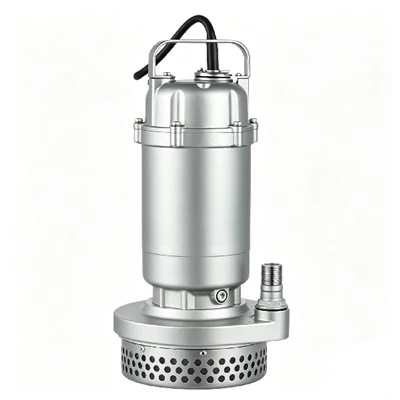
First, let’s start with what each of these actually does, ‘cause that’s where the lines blur for so many people. I’ll keep it simple: a well pump is for getting water out of the ground, right? If you have a private well, that’s the thing pushing water from your deep or shallow well up to your house, your faucets, your water heater—all that indoor/outdoor water you need for daily use. It’s built to move water that’s meant for drinking, basically, and it’s sized for consistent pressure to keep your shower hot or your dishwasher running without sputtering.
Now a landscape pump? That’s the one I sell every single day, and it’s made for one job only: moving water around your yard, garden, or hardscaping features. Think sprinkler systems, waterfalls, pond filters, misting systems for patios, maybe even draining a soggy section of your lawn. It’s not meant for drinking water—most of the ones I supply are for recycled water, rain barrels, or just regular pond water, not potable water. That’s a huge first difference, and it’s not just a random rule—there’s actual science behind why these pumps are built different.
Let’s dive deeper into the guts of these things, ‘cause that’s where the real difference lives. Well pumps are engineered with two main things in mind: pressure and water purity. Since they’re moving water to your house, they have to maintain a steady, high pressure (usually around 40-60 PSI) so that every tap works, even if you’re running the sprinkler and the washing machine at the same time. Their impellers (the little spinning parts that push water) are smooth, often made of brass or stainless steel, no sharp edges, and sealed tight to keep dirt, sediment, or debris out. They can also handle deeper water—submersible well pumps go hundreds of feet underground, and jet well pumps work for shallower wells, like 20 feet deep. They’re built for continuous, long-term use because you rely on them every single day for drinking, cooking, cleaning.
Landscape pumps? They don’t care about PSI the same way, and they’re built to handle messy, dirty water. If you have a pond with leaves, algae, small fish waste, or a sprinkler line that might pick up tiny dirt clumps, a landscape pump’s impellers are designed with gaps or even rough edges to keep from getting clogged. I see this all the time—someone tries to use a well pump for their waterfall, and within a week it’s fried ‘cause leaves got stuck in the impeller. Most landscape pumps I sell are for shallower depths—like 10 feet max, usually, ‘cause you’re moving water across your yard, not pulling it from the bottom of the Earth. They also don’t need to be sealed super tight ‘cause the water they move isn’t for drinking. Some are even open-cycle, meaning they dump the water right back into the pond or sprinkler line without a closed system like a well pump’s pressure tank. That’s another big one—well pumps almost always have a pressure tank that stores water so they don’t turn on every time you open a faucet, extending their life. Landscape pumps rarely need those; they’re set to turn on with a timer for sprinklers or run nonstop for waterfalls.
Wait, let’s talk about actual use cases ‘cause that’s where most homeowners and even small landscapers mess up. Let’s say you want to install a new in-ground sprinkler system for your front yard. What do you need? A landscape pump, 100%. If you use a well pump, two things will happen: first, you’ll waste a ton of money on overkill pressure—sprinklers only need like 30 PSI, so a well pump cranking out 50 will blow your sprinkler heads every other month, and second, if your well pump isn’t meant for moving water through small sprinkler lines, it’ll clog from tiny dirt in the sprinkler zones in no time. Another example: a backyard waterfall that drops 10 feet, recirculating pond water. Landscape pump, no question. Well pumps are for when your only water source is a well, not for moving it around your property for fun or care.
But here’s the thing I see all the time: people think “well pump” is the same as “water pump” and just grab whatever’s cheapest. Last month, a guy came to my shop panicking ‘cause he tried to use his old well pump for his koi pond, and it killed half his fish. Why? Because well pumps have tiny impellers that can’t handle the ammonia and waste in pond water, and also, even if the pond water didn’t have stuff that clogs it, the pressure from the well pump would be too high for the pond filter, and it would push too much water too fast, stressing the fish. That’s a real, expensive mistake, and it’s totally avoidable once you know the difference.
Another key point: maintenance and lifespan. Well pumps are built for 10-15 years of use, but they’re pricey—like a good submersible well pump is $800-$1500, installed. Landscape pumps? Most of the ones I sell are $100-$500, and their lifespan is around 5-8 years, which makes sense ‘cause they’re handling more debris, more variable use. If you abuse a landscape pump (like using it for well water), it’ll die in 1-2 years, and vice versa—use a well pump for landscaping, it’ll clog and die way before its time. Also, permits and regulations! If you’re hooking up a pump to a drinking water line, that’s a well pump, and you have to follow local health codes—they have to be certified for potable water. Landscape pumps can’t be certified for that, so you’re not allowed to hook them up to your house’s drinking system anyway. That’s a big legal thing a lot of people don’t know—you can’t use a landscape pump to get water from a well to your house, it’s against most local building codes.
Wait, let’s clear up a common myth I hear: “Can I use a well pump for my sprinkler system?” Technically, maybe, but it’s a terrible idea. Like I said, too much pressure, too sensitive to debris, and if your well runs low, the pump will suck in air and damage the impeller. I’ve seen guys do that, and end up buying both a new well pump and a landscape pump ‘cause they ruined their sprinklers and their well pump. It’s not worth the headache, or the extra money. On the flip side, “Can I use a landscape pump to get water from a well?” No way. If the well is more than 10 feet deep, the landscape pump won’t have enough suction power to pull water up, and even if it’s shallow, it’s not built to handle the pressure of pushing water to your faucets, so you’ll get drips, no water, and eventually burn out the pump.
Let me give you a quick real-world example from last week, ‘cause this stuff sticks better with stories. A landscaper buddy of mine was helping a homeowner redo their backyard—new sprinklers, a small pond, and a patio misting system. He initially grabbed a cheap well pump he had lying around from a previous job, and when I saw him digging, I stopped him. Told him he needed landscape pumps for each zone. Let’s break why: the sprinklers needed low pressure, so a well pump would have blown the heads. The pond pump needed to handle leaves and small debris, which the well pump’s smooth impeller would clog on. The misting system needed a consistent flow of water without the high pressure a well pump provides, so the mist wouldn’t be too strong and annoying. He swapped out all the well pumps for landscape pumps I had in stock, and the job went smooth—no clogs, no broken heads, the homeowner saved money on the right equipment, not overkill. That’s exactly why I do what I do, ‘cause I hate seeing people waste cash on the wrong pump.
Another thing to consider: efficiency. Well pumps are less efficient when used for non-potable use, ‘cause they’re designed for long, steady runs to a closed system. Landscape pumps are built for variable runs, like turning on and off with sprinkler timers, or running at different speeds for waterfalls, so they use less energy overall. Over a year, that adds up—someone using a well pump for their landscaping might see a $100+ jump on their electric bill, just ‘cause they grabbed the wrong pump.
Now, let’s get to the part that matters if you’re actually planning a project. How do you pick which one you need? First, ask: Am I moving potable water (for drinking, showers, house use)? If yes, it’s a well pump. Am I moving non-potable water (for sprinklers, ponds, water features, patio misting)? If yes, it’s a landscape pump. Second, check the depth: if you’re pulling water from more than 10 feet deep, that’s way more than most landscape pumps can handle, so it’s a well pump. If you’re moving water around your yard, less than 10 feet from the source, landscape pump all the way. Third, check what the water is going through: if it’s going through small lines (sprinklers, misting) or handling debris (leaves, algae, dirt), landscape pump. If it’s going through standard house pipes, well pump.
I’ve been selling landscape pumps for years, and my whole thing is making sure people don’t make the mistake I see so often. Last month, I had a small business owner come in who was trying to drain a flooded parking lot, and he used a well pump ‘cause he thought it was stronger. Within two hours, the pump was clogged with gravel and dirt, and he had to rent a pump anyway, plus he had to pay to fix his well pump. He came back to me the next day, bought a heavy-duty landscape pump for draining, and saved himself the hassle. That’s why I’m here— I don’t just sell pumps, I help people pick the right one for their job.
If you’re working on a landscaping project, installing a sprinkler system, adding a water feature, or just need to fix a pump for your yard, don’t guess. I have all kinds of landscape pumps in stock—submersible ones for ponds, above-ground ones for sprinklers, heavy-duty ones for drainage, whatever you need. Skip the guesswork, skip the expensive mistakes, and reach out to talk through your project. I’ll help you pick exactly what you need, no pressure, no weird fine print.

At the end of the day, the line between well pumps and landscape pumps is pretty simple: one’s for your house, the other’s for your yard. Mess up that line, and you’re looking at wasted cash, broken equipment, even damage to your property or plants. I’ve seen it all, so trust me when I say it’s worth taking two minutes to get the right pump for the job.
Smart Pump References:
- Irrigation Association. (2022). "Residential Pump Selection Guide for Landscaping Applications". IA Publications.
- National Ground Water Association. (2021). "Private Well Pump Specifications and Use Cases". NGWA Technical Briefs.
- United States Environmental Protection Agency. (2020). "Cross-Connection Control and Backflow Prevention for Potable Water Systems". EPA Water Infrastructure Reports.
Longbiao Pump Industry Co., Ltd.
We are one of the most professional landscape pump manufacturers and suppliers in China, featured by quality products and low price. Please rest assured to buy discount landscape pump for sale here from our factory. We also accept customized orders.
Address: Unit 101, Building 11, Pan’ao Entrepreneurship Park, Daxi Town, Wenling City, Taizhou City, Zhejiang Province, P.R. China
E-mail: 1653746797@qq.com
WebSite: https://www.cnlongbiao.com/
