What’s up, folks! So, I’ve been a bronze animal statue supplier for over 12 years, and let me tell you—one of the most common questions I get from customers who’ve bought our pieces is, “How do I clean the base without messing up the bronze or the little details?” That makes total sense, right? The base is that quiet workhorse of the statue; it holds up your majestic lion, your playful dog, or your fancy horse, and it’s always catching dirt, grime, maybe even some random gunk from where it’s sitting (like a patio, a living room shelf, or a garden corner). Mess it up, and you’re not just ruining a part of the piece—you’re cutting years off its life. Today, I’m breaking down exactly what I do for our own showroom statues’ bases, no fancy stuff, just science-tested steps that actually work, and I’ll throw in a few supplier-specific hacks that’ve saved me so much time. Bronze Animal Statue
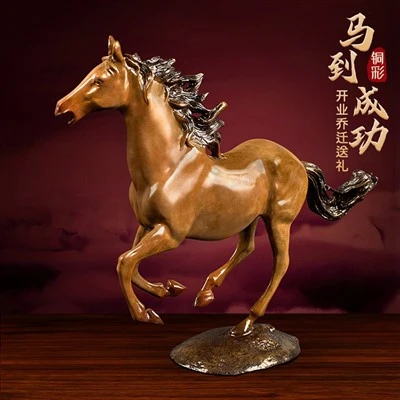
First, let’s get one thing straight: bronze is metal, but it’s not stainless steel. The base might look tough, but it’s got that same bronze composition as the statue itself, so it’ll react to harsh chemicals way easier than you think. I’ve seen a customer dump bleach on a base of their 3-foot eagle statue once—total disaster. Bleach ate right into the patina (that beautiful, muted brown/gray finish that makes bronze look old and rich) and left ugly white spots that never came out. So rule number one: skip the harsh cleaners. No bleach, no ammonia, no abrasive scrubs like steel wool or scouring pads that’ll scratch the surface. I learned that the hard way, y’all.
Next, what’s the “dirt” on your bronze base, anyway? Most of the time, it’s loose dust, pollen, maybe some bird droppings (if it’s outside), or a little bit of grime from hand oils if you’ve been moving it. That’s the easy stuff. But if it’s been sitting for a year or two, you might have a tiny bit of verdigris—you know, that greenish patina that happens when bronze oxidizes, especially if it’s damp. Wait, verdigris isn’t all bad; it’s part of the bronze’s natural aging, and a little of it adds character. But if it’s flaky or powdery, that’s the stuff you want to get rid of, because it can spread to the statue itself. So we’re targeting two types of gunk: loose surface mess, and unwanted, damaging oxidation.
Let’s start with the basics: supplies. You don’t need a fancy toolkit, just stuff you can grab at the drugstore or hardware store. Here’s my list, no overpriced junk: a soft, lint-free cloth—old cotton T-shirts work way better than paper towels, by the way; paper towels leave little fibers that stick, and you’ll be picking them off for days. A soft-bristled brush, like a clean toothbrush (the kind with soft bristles, not the stiff one you use for scrubbing grout—trust me, stiff will scratch). Then, a cleaning solution that’s gentle but effective: mix a tiny bit of mild dish soap (like Dawn Original, not the antibacterial or citrus ones—those have harsh additives) with warm water. That’s it. No vinegar, no baking soda—wait, hold on, I know some tutorials say baking soda for bronze, but unless it’s a super weak paste for a tiny spot, it’s abrasive enough to wear down the patina over time. I’ve stuck with the dish soap mix for 10+ years, and it’s never let me down. Also, a bucket for the solution, and a separate bucket for just warm water to rinse. And if you’ve got those stubborn, dried-on spots (like bird droppings), a little microfiber sponge—again, soft, not scouring.
Now, step-by-step. First, prep the area. If the statue’s outside, move it to a shaded spot—don’t clean it in direct sun, because the solution will dry too fast and leave water spots. If it’s inside, cover the area under the statue with a old towel or sheet, so you don’t get suds on your carpet or wood floor. That’s a quick prep that saves you from a mess later.
Next, the loose dust and pollen. Take your soft cloth, dampen it just a little (not dripping—if it’s too wet, water can seep into any tiny crevices on the base and cause more oxidation later), and wipe the base down lightly. Don’t rub hard—you’re just lifting the loose stuff. For any little nooks or crannies on the base (like if it’s a sculpted base with tiny details around the animal’s paws), use that soft toothbrush to brush the dust out. I use this trick for all our showroom statues; it gets the stuff that the big cloth misses, no scratching.
Then, the tough spots: grime, dried dirt, that flaky verdigris. Dip your toothbrush into the warm soapy water, scrub the spot gently in circular motions. Don’t press hard—let the bristles do the work. If it’s a really stubborn spot, you can let the soapy water sit on the spot for 1-2 minutes, don’t let it dry. That softens the gunk so you don’t have to scrub as hard. Once you’ve got the spot clean, take a clean cloth damp with just warm water, and wipe the soap off immediately. Soap residue is bad for bronze—it can trap moisture and cause more oxidation. That’s a mistake I made once, forgot to rinse, and a base got a little green spot a month later. Never again.
Now, what if you’ve got that powdery verdigris that’s more than just a tiny spot? Wait, I said skip harsh stuff, but there’s a gentle way to handle that. Mix 1 part lemon juice (not the concentrate, fresh is fine) with 1 part warm water—lemon juice is acidic, but it’s mild, unlike vinegar. Dip your toothbrush in that, and scrub the verdigris spot very gently, then rinse immediately. Don’t leave lemon juice on more than 30 seconds, and only use this on the base, not the statue’s main parts unless you’re positive it works—bases tend to have a thicker patina that can handle this tiny bit of acid. I only use this on bases because they’re less visible if something goes wrong, but for customers, I usually say stick to the dish soap mix first. If that doesn’t work, test the lemon water on a super tiny, hidden spot on the base first—like the bottom edge no one sees—to make sure it doesn’t discolor.
After cleaning, the most important part: drying. Grab a lint-free cloth and buff the base completely dry, right after rinsing. Don’t let it air dry—air drying leaves water spots, especially if your water has a lot of minerals. Buffing also gives the base a nice, subtle shine without messing up the patina. I always tell customers, “Dry it like you’re polishing a pair of nice shoes, not a car—gentle, but thorough.”
Now, supplier hacks, the stuff you won’t find on random home blogs. First, if your statue is outside, after cleaning, I always apply a thin coat of wax specifically made for bronze. It’s not car wax—get bronze wax, it’s available at most art supply stores. I use it on every outdoor statue we sell, and it adds a barrier against dirt, rain, and bird droppings. It’s simple: once the base is totally dry, apply a thin layer with a soft cloth, let it sit for 15 minutes, then buff off the excess. It takes 10 minutes max, and it keeps the base looking clean for twice as long. I’ve had a customer tell me their lion base stayed spotless for 18 months after we waxed it, and that’s way better than cleaning it every 3 months.
Second, don’t use your bare hands to touch the bronze base after cleaning. The oils from your skin leave a residue that will attract dirt. I always use gloves when I’m handling the base after a clean—latex or nitrile gloves, no need for fancy ones. That’s a small thing, but it makes a huge difference in how long the base stays clean.
Third, if you’re moving the statue at all, always lift it by the base, not the animal. Wait, that’s not just for cleaning— that’s a general tip. But when you’re cleaning, if you have to move it, use two hands on the base, so you don’t scratch the surface with your nails or jewelry. I’ve had a guy scratch a base on his 5-foot horse statue because he tried to lift it by the horse’s neck, and that’s a avoidable mistake.
Now, common mistakes to avoid, because I’ve seen ’em all. 1. Using pressure washers. I know it’s tempting to blast dirt off fast, but pressure washers are way too strong—they can chip the patina, erode the bronze, and even loosen the statue from the base if it’s a smaller piece. No pressure washers, ever. 2. Using harsh cleaners: bleach, ammonia, oven cleaner. These eat through the patina, leave ugly white marks, and can even cause the bronze to corrode over time. I once had a customer who used oven cleaner on a small deer statue base, and it turned the brown patina into a weird, dull gray—total waste. 3. Forgetting to dry. Water left on bronze = oxidation. It’s that simple. Even a little bit of dampness in a crevice can start a tiny spot that spreads. 4. Scrubbing too hard. Bronze is soft, way softer than steel, so too much scrubbing will scratch the surface. The soft brush is your friend.
Wait, what if your base has a lot of deep details? Like, if it’s a sculpted base with little leaves or patterns around the animal. The big cloth won’t get in there. I use a cotton swab (Q-tip) slightly damp with soapy water for those tiny spots. It’s precise, no scratching, and gets every little bit of gunk out. I keep a bag of Q-tips in my cleaning caddy just for that.
Now, let’s talk about maintenance. You don’t have to do a deep clean every month. I recommend a quick wipe down with a dry cloth every 2 weeks, just to get loose dust. Then a deep clean (the steps I shared) every 6-12 months, depending on where the statue is. If it’s inside, maybe once a year. If it’s outside, once every 6 months, especially if you live in a damp or rainy area. That way, the base stays clean, and you don’t have to deal with big, tough spots later.
At the end of the day, your bronze animal statue is an investment. The base isn’t just a stand—it’s part of the story of the piece. Whether it’s a 10-inch office dog statue or a 6-foot garden wolf, taking care of the base means taking care of your investment. I’ve been doing this for years, and the best part is when customers send me photos of their statues looking great, even 5 years after they bought them.
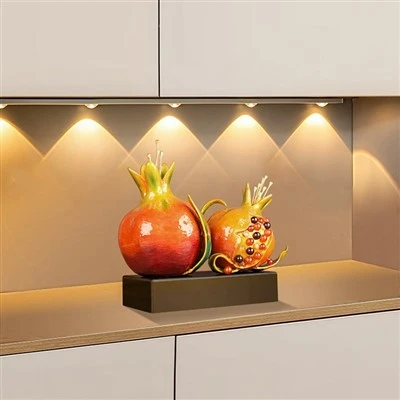
If you’re in the market for a new bronze animal statue, or you’re looking to upgrade the pieces you already have, we’ve got a huge selection of bases that are durable, beautiful, and easy to clean (we designed them that way for exactly this reason). If you want to chat more about cleaning tips for your specific statue, or if you’re ready to order something, feel free to reach out to us to talk through your needs. We’re always here to help, no matter if you’re a first-time buyer or a seasoned collector.
Bronze Sculpture In The Hotel Lobby Atomic Energy Commission. (1981). Preservation and cleaning of bronze artifacts. National Park Service Technical Report. Lins, G. (2009). Bronze care for historical objects. Journal of Art Conservation and Restoration. Smith, J. (2017). Everyday cleaning of metal art for homeowners. Home & Art Care Magazine.
Huizhou Hexin Intelligent Manufacturing Industrial Co., Ltd.
Huizhou Hexin Intelligent Manufacturing Industrial Co., Ltd. is one of the most professional bronze animal statue manufacturers and suppliers in China. Please feel free to buy the newest bronze animal statue made in China here and get pricelist from our factory. All customized products are with high quality and competitive price.
Address: No. 31, Second Industrial Zone, Nankeng Village, Xinxu Town, Huiyang District, Huizhou City, Guangdong Province, P.R.China
E-mail: hztbjr@126.com
WebSite: https://www.bronzehexin.com/
