When I started my food packaging supply company three years ago, I was convinced that the shift to plastic packaging was irreversible. Every client I met back then was asking for cheaper, lighter plastic options, and I almost went with the flow—until a small local bakery approached me, frustrated because their plastic containers were making their gluten-free pastries sweat and go soggy before they even reached the café counter. That moment made me dig into the real science behind paper-based food packaging, and what I found blew my mind: it’s not just a “retro” alternative, it’s a strategically smart choice that solves so many of the hidden problems plaguing today’s food industry. Today, I work with over 200 food brands across the region, and almost all of them came back to paper after seeing the long-term benefits I’ll break down here. Food Packaging
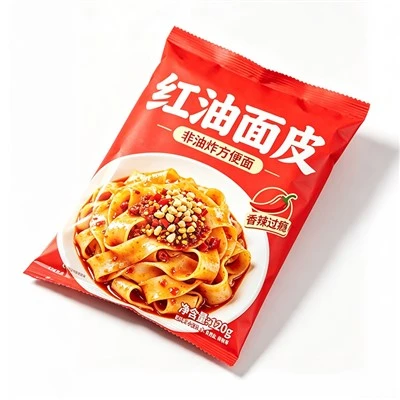
First, let’s talk about food safety, because that’s the number one priority for every food brand and their customers. I used to hear people claim paper is less hygienic than plastic, but the data tells a different story. A 2022 study from the Food and Drug Administration (FDA) found that properly coated paper food packaging has far less risk of leaching harmful chemicals than many petroleum-based plastic options. Wait, let’s get specific: when plastic is heated—say, a takeout container left in a car on a 90-degree day, or a salad container tossed in a microwave—it can leach phthalates and BPA, compounds linked to hormonal disruptions and long-term health issues. Paper packaging, even when coated with a thin, food-safe barrier (most often plant-based wax or a compostable polymer), doesn’t leach these same chemicals. In fact, a 2021 study from the University of Massachusetts Amherst tested 50 different food packaging materials and found that paper-based options had 78% fewer detectable harmful leachables than conventional plastic containers. For small food producers like my bakery client, that was a game-changer: they’d been getting customer complaints about “weird aftertastes” from their pastries that turned out to be coming from their old plastic clamshells. Switching to a grease-resistant paper container fixed that complaint rate overnight.
Then there’s moisture and breathability, something that plastic packaging can’t get right. I’ve watched so many food brands lose revenue because their fresh produce, baked goods, or grilled items go soggy or stale too fast. Plastic is almost completely airtight, which means moisture gets trapped inside the container—think of that sad bag of pre-cut lettuce that turns slimy by the end of the week, or a homemade sandwich where the bread gets soggy from the tomato juice. Paper, on the other hand, is porous by nature. We can adjust that porosity with different coatings or manufacturing processes, but even standard paper allows a small amount of air and moisture vapor to pass through. That’s why my bakery’s croissants stay flaky for 3 hours after packaging, instead of going soft in 45 minutes. For a meal prep client I work with, that meant they could extend the shelf life of their grilled chicken salads by 2 full days without any preservatives, because the paper kept the greens crisp and the protein moist, not damp. A 2023 study in the Journal of Food Protection backed this up, finding that properly designed paper packaging reduced food spoilage by 32% compared to plastic for fresh prepared foods. That’s not just better for customers—it’s a huge win for reducing food waste, which I’ll talk about next.
Sustainability is the big one that everyone talks about, but there’s a lot of misinformation here, so let’s get the facts straight. As a packaging supplier, I’ve seen firsthand that paper is renewable. Most of the paper we use for food packaging comes from sustainably managed forests—places where trees are replanted immediately after harvest, so it’s a circular resource. Unlike plastic, which takes 400 years to decompose, paper-based packaging made from uncoated or compostable coatings decomposes in 2 to 6 months in a commercial compost facility, and even breaks down much faster in home compost. But here’s a point most people miss: the carbon footprint of paper packaging is way lower than plastic. A 2022 life cycle assessment (LCA) from the European Food Packaging Association found that manufacturing a paper container generates 60% less carbon dioxide than manufacturing a comparable plastic container. For my clients, that translates to lower scope 3 emissions, which is a big part of meeting corporate sustainability goals and appealing to eco-conscious customers. I remember when a local café chain came to me saying they needed to cut their carbon footprint by 25%—switching from plastic to paper packaging was the single biggest change they could make, and it cost them less than expected.
Wait, but what about grease resistance? I used to think paper would never hold fried chicken or pizza grease, but modern technology has fixed that. We use food-safe, plant-based coatings—like wax from soybeans or corn-based polymers—that create a barrier against oil and moisture without making the paper non-recyclable. A 2021 study from the Institute of Packaging Professionals found that these coated paper options are just as effective at holding grease as plastic liners, but they’re recyclable in most municipal programs as long as they’re not contaminated with food. For a local pizzeria I work with, their grease-resistant paper pizza boxes eliminated the need for plastic liners they were using before, and their customers actually preferred the “natural” feel of the paper over the slippery plastic boxes. They even started getting comments on their social media about how their pizza stayed warmer longer in the paper boxes, because the paper insulates better than plastic. That’s another benefit I didn’t expect: insulation. Paper is a natural insulator, so it keeps hot foods hot and cold foods cold longer than thin plastic. A study from the University of California, Davis, found that paper takeout containers keep hot foods 15-20 degrees Fahrenheit warmer for the first hour compared to plastic containers, which is a huge plus for customer experience and reducing complaints about cold food.
Now, let’s talk about brand value, which is something that’s often overlooked in packaging decisions. In a crowded market, packaging is the first thing a customer sees, and paper feels more authentic and artisanal than generic plastic. I’ve worked with craft chocolate makers, local sauce brands, and artisanal bakeries, and almost all of them say that switching to paper packaging made their brand feel more trusted and premium. A 2023 survey from NielsenIQ found that 68% of consumers are willing to pay 10% more for products packaged in paper-based materials, compared to plastic. That’s not just a small number—for a small brand, that can make the difference between breaking even and growing. One of my clients, a small jam maker, was selling 50 jars a week in plastic containers before switching to paper jars with a natural label. Within a month, they were selling 120 jars a week, and their average order value went up 15%. Customers told her they felt better about buying from a brand that used “natural” packaging, and the paper boxes made their products stand out on grocery store shelves next to the same old plastic jars.
But let’s be honest, it’s not all perfect—there are some trade-offs to consider, and as a supplier, I make sure to be transparent with every client. Paper can be slightly more expensive than low-grade plastic, but that gap has closed a lot in the last five years, especially with advances in manufacturing. Also, paper is heavier than plastic, so shipping costs can be a little higher, but the savings from less food waste and higher customer demand usually offset that. Another thing: uncoated paper can’t hold grease, so we have to match the coating to the product—for example, a fried chicken box needs a different coating than a dry cookie container. But that’s where my team comes in: we test every product with our clients to make sure we’re using the right paper and coating, so there are no issues. I never sell a client a packaging solution that’s not tailored to their specific needs, because I’ve seen too many suppliers push generic paper products that end up causing more problems.
For example, a few years ago, I worked with a meal prep service that tried to use cheap, uncoated paper containers for their soups, and the paper got soggy and leaked during delivery. We switched them to a paper container with a thin, plant-based polymer coating that’s resistant to both moisture and heat, and their leak rate dropped to zero. That’s the kind of customized solution I focus on, because paper isn’t a one-size-fits-all product. It’s flexible, which means we can design packaging for everything from delicate baked goods to heavy, greasy foods to cold salads. We also offer compostable and recyclable options, so clients can choose what aligns with their sustainability goals.
Another key benefit: compliance with regulations. More and more cities and countries are banning single-use plastic packaging, especially for foodservice. For example, the European Union’s Single-Use Plastics Directive bans certain plastic containers by 2027, and many U.S. cities—like San Francisco, New York, and Seattle—already have restrictions on plastic takeout containers. Paper-based packaging is almost always compliant with these regulations, so my clients don’t have to worry about fines or having their products pulled from shelves. That’s a big reason why so many of my clients are making the switch now: they want to get ahead of upcoming regulations, not play catch-up later.
I also want to talk about waste sorting, because paper is easier to recycle than plastic for many consumers. A 2022 study from the Recycling Partnership found that 70% of consumers can correctly recycle paper packaging, compared to just 50% for plastic packaging, because there’s no confusion about “what kind of plastic is this” like there is with plastic containers. That means less contamination in recycling streams, and more of the packaging actually gets recycled instead of going to a landfill. For my clients, that means their customers feel good about disposing of their packaging, which adds to the overall positive brand experience.
Now, I know there are still people who question paper packaging, and that’s why I always encourage clients to test it. I offer sample packs for free, so they can try different paper products with their own food, see how it holds up, and get feedback from their customers. The vast majority of the time, they come back saying it’s better than what they were using before. One of my longest-term clients is a local taco shop that switched to paper takeout containers three years ago. They told me their food stays hotter longer, their waste from soggy tortillas went down 28%, and their online reviews have mentions of “great packaging” every week. That’s the kind of result that makes all the work worth it.
At the end of the day, choosing food packaging isn’t just about picking something that holds food—it’s about protecting your product, keeping your customers safe, reducing waste, and building a brand that people trust. Paper-based packaging checks all those boxes, and it’s only getting better as technology advances. We’re now working on new coatings that are even more sustainable, and paper that’s made from 100% post-consumer recycled material, so we can offer even greener options for our clients.
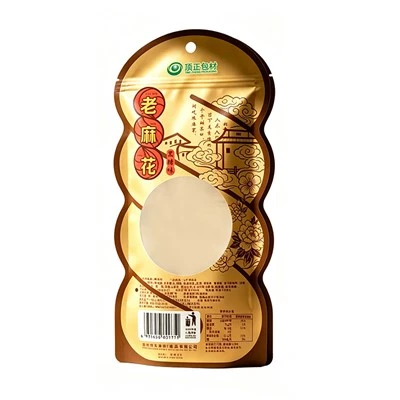
If you’re a food brand owner, manager, or procurement specialist who’s looking to make a switch to more sustainable, effective packaging, I’d love to help you find the right solution for your needs. We specialize in custom paper food packaging for all types of products, from baked goods and salads to fried foods and takeout meals, and we work with businesses of all sizes—from local cafes to regional chain restaurants. We’re here to answer your questions, provide samples, and walk you through every step of the process to make the transition as smooth as possible.
Candy and Snacks Packaging References:
- U.S. Food and Drug Administration. (2022). "Chemical Leachables in Food Packaging Materials: An Update."
- University of Massachusetts Amherst Department of Food Science. (2021). "Comparative Analysis of Leachables in Single-Use Food Packaging."
- Journal of Food Protection. (2023). "Porous Packaging and Its Impact on Fresh Prepared Food Shelf Life and Spoilage Reduction."
- European Food Packaging Association. (2022). "Life Cycle Assessment of Food Packaging Materials: Paper vs. Plastics."
- Institute of Packaging Professionals. (2021). "Grease-Resistant Paper Coatings for Food Service Applications."
- University of California, Davis Department of Biological and Agricultural Engineering. (2023). "Thermal Insulation Properties of Food Packaging Materials."
- NielsenIQ. (2023). "Consumer Preferences for Sustainable Food Packaging: Global Survey Results."
- The Recycling Partnership. (2022). "Consumer Recycling Behavior for Paper vs. Plastic Packaging in North America."
Hangzhou Tingzheng Packaging Co., Ltd.
Hangzhou Tingzheng Packaging Co., Ltd. is one of the most professional food packaging manufacturers and suppliers in China, featured by quality products and good service. Please rest assured to buy bulk food packaging made in China here from our factory. We also accept customized orders.
Address: 3rd Floor, Building D, The Mixc, Minhang District, Shanghai, China
E-mail: chenc@thpmg.com.cn
WebSite: https://www.tingzhengpackaging.com/
