Hey there, if you’ve ever worked with electronics, LEDs, lithium-ion batteries, or even high-end ceramics, you’ve probably crossed paths with high-purity alumina (HPA) without even knowing it. I’m not just some random blogger— I’m actually the owner of a HPA supplier that’s been around for over a decade, and I get asked this question all the time: where does HPA even come from? Not just the basic alumina we all know from lab dishes or antacids, but the super pure stuff (usually 99.99% and up, sometimes even 99.9999% for the most niche uses). Today, I’m breaking down the real sources of HPA, no stuffy textbook jargon, just the straight talk from someone who handles this material day in and day out. High-purity Alumina
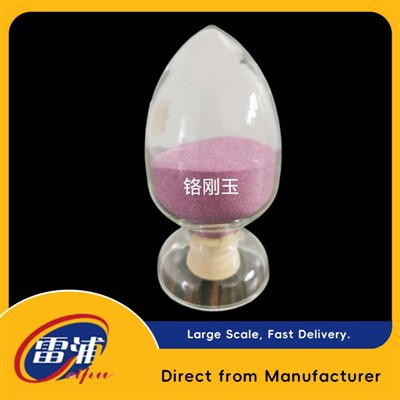
First off, let’s get one thing straight: HPA isn’t mined directly from the ground like bauxite (the raw material for regular alumina). Wait, hold on— that’s a common mistake new people make. Bauxite is where we start, but pure HPA is a processed, refined product. So all sources trace back to two main pipelines: either we start with purified alumina from bauxite (we call that the “bayer process stream” if you want the technical name, but just think “starting with the basic alumina from bauxite”) or we use way more specialized, high-purity raw materials that skip the bauxite step entirely. Let’s dive into each, because that’s where the real difference comes in— and that’s why some HPA is way pricier than others.
Let’s start with the most common source, because it’s the one that powers like 70% of the HPA out there right now: refining commercial-grade alumina (usually 99.5% to 99.8% pure, from the Bayer process) down to HPA. Wait, why not just use bauxite directly? Bauxite has way too many impurities— iron, silicon, titanium, even trace metals like sodium that would wreck HPA for uses like semiconductors. So the Bayer process gives us a base alumina, then we run that through a second purification step tailored to strip out every last bit of junk. How does that work, exactly? We mostly use two methods here: the sol-gel process and the hydrothermal process. Let’s keep it simple: sol-gel is like making a super precise gel out of the base alumina, then heating it up to burn off all the impurities. Hydrothermal is like pressure-cooking the base alumina in water with additives that pull out trace metals, so we get crystals that are way purer. For my company, this is our bread and butter— we source our base alumina only from Bayer plants that have strict impurity controls, because if that starting material is already off, there’s no way to get HPA that meets our clients’ specs. We test every batch of incoming base alumina for like 15 different metals (aluminum, obviously, but also iron, calcium, magnesium, even lead) before we even touch it, and if it doesn’t hit our pre-set thresholds, we send it back. No exceptions. The cool thing about this source is it’s scalable— we can make thousands of tons of HPA a year this way, which is why it works for big clients like LED makers or battery manufacturers that need bulk HPA. The downside? It’s not perfect for ultra-high-purity grades (like 99.9999%) because even the best base alumina has tiny trace impurities that are hard to strip out. For that, we need the second source.
That second source is super niche but critical for high-end tech: starting with ultra-pure precursors that aren’t from bauxite. What kind of precursors? Two big ones are aluminum isopropoxide (let’s call that AIP for short— we use that all the time in the lab here) and aluminum nitrate, but wait— not just any AIP. We’re talking AIP that’s already 99.99% pure before we even do anything with it. Where does that AIP come from? Usually from refining aluminum metal, not bauxite. We melt down super pure aluminum ingots, then react them with isopropyl alcohol to make AIP, which is a liquid that we can distill to an insane level of purity (like 99.999% pure) before turning it into HPA. This is the source for the highest-grade HPA— the stuff that goes into semiconductors, power electronics, or even aerospace ceramics where even one tiny impurity can cause a total failure. For example, a client of mine last year made parts for a new 5G base station, and they needed HPA with no more than 10 parts per billion of iron— that’s literally like finding one grain of sand in a Olympic-sized swimming pool. You can’t get that from refining Bayer process alumina, so we used AIP-derived HPA for them. The trade-off here? This method is way more expensive and can’t make nearly as much volume— like, a few hundred tons a year max— so it’s only for clients that need the absolute best. A lot of smaller startups don’t need this, so we don’t push it on them, which I think is important as a supplier— we match the source to the need, not the other way around.
Wait, hold on— I can’t forget another source that’s been popping up more lately, especially with the push for sustainable materials: recycled aluminum scrap. Yeah, you read that right. A lot of aluminum products (like old car parts, aluminum cans, even scrap from aluminum processing plants) can be refined into HPA if they’re pure enough. The catch here is the scrap has to be low-impurity— no steel mixed in, no plastic coatings, no oxidation that leaves behind weird metals. We’ve started testing this source in the last couple of years because it’s way better for the planet— recycling aluminum uses like 95% less energy than making new aluminum from bauxite. We work with a few partners that sort and process their aluminum scrap to get it to the purity we need, then we turn that into HPA. It’s not for every client— some battery makers need virgin material because they say recycled has inconsistent trace impurities (even if they’re super small), but a lot of ceramics manufacturers are totally fine with it, and they love that it’s more sustainable. It’s still a small part of our overall production, but I think it’s going to grow a lot in the next few years as more companies care about their carbon footprint.
Now, let’s talk about what actually makes a source “good” for HPA, because not all sources are created equal. I’ve seen suppliers cut corners on the starting material, and it shows— their HPA has random impurities that cause client’s products to fail. For example, a client brought us a batch of HPA from another supplier once that was supposed to be 99.99% pure, but when we tested it, there was 200 parts per million of sodium in it. That might not sound like a lot, but sodium is a nightmare for lithium-ion battery cathodes— it can mess up the charging cycle and shorten the battery life. That batch was useless, and the client lost a bunch of money. So for us, the source of raw material is non-negotiable. We don’t just buy cheap base alumina from any Bayer plant— we have long-term contracts with two plants that we’ve worked with for years, because their impurity levels are consistently low. For AIP-derived HPA, we only work with a couple of suppliers that specialize in ultra-pure precursors, no random knockoff products that skip distillation steps. And for recycled scrap, we only work with partners that have third-party testing to prove the purity, because you can’t just guess— you have to measure.
Another thing a lot of people don’t talk about: the processing step is part of the source. Like, even if you have the best raw material, if you process it wrong, you’ll get bad HPA. For example, when we do sol-gel processing, we have to control every variable— the temperature, the pH of the solution, how fast we heat up the gel to burn off impurities. Even a 1-degree difference in temperature can leave behind an extra 50 parts per million of iron, which ruins the batch. That’s why a lot of smaller suppliers can’t make high-quality HPA— they don’t have the exact processing controls. At our facility, we have a whole team of chemists that monitor every batch 24/7, and we run three different tests on every finished HPA: X-ray fluorescence to check metal impurities, particle size analysis (because HPA particle size matters for things like ceramics), and phase purity (making sure it’s the alpha alumina phase, which is the only one that works for most high-end uses).
Wait, let’s wrap this up with a quick reality check, because there’s a lot of hype around “new sources” of HPA lately. I see a lot of startups saying they have a way to make HPA from something random, like fly ash or even seawater. Hold on— fly ash has tons of heavy metals and unburnt coal, so stripping that out to get HPA is super hard, and right now it’s not cost-competitive with the sources we already use. Seawater has aluminum, but you’d have to process millions of gallons to get enough, which is not scalable. So right now, the main sources are still refining Bayer alumina, AIP-derived precursors, and low-impurity recycled aluminum. Any other source is either in the lab or too expensive for real-world use.
As someone who runs a HPA supplier, my job isn’t just to sell HPA— it’s to help clients figure out which source is right for their needs. If you’re making LEDs, you probably don’t need ultra-high-purity AIP HPA— our bulk Bayer-refined HPA works perfectly, and it’s way cheaper. If you’re making semiconductor wafers, you need the AIP-derived stuff, no exceptions. If you’re a ceramics startup that wants to be sustainable, we can walk you through our recycled HPA options. The last thing I want is a client buying HPA that’s wrong for their application, because that wastes their money and our reputation.
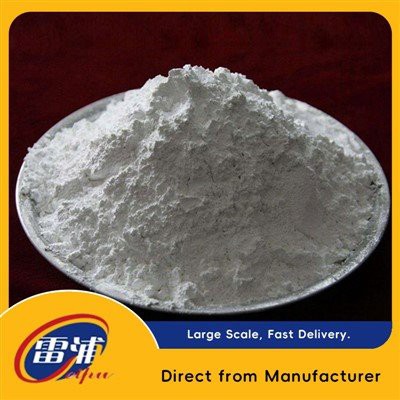
Calcined Alumina If you’re in the market for HPA, whether it’s bulk grades for batteries or ultra-high-purity for semiconductors, we can work with you. We have flexible order sizes, competitive pricing, and we test every batch before it leaves our facility. No hidden fees, no cut corners, just straight talk about what HPA source will work best for your project. Reach out whenever you want to chat through your needs.
References
- Luyten, J., et al. "High-Purity Alumina: Synthesis, Properties, and Applications." Journal of the European Ceramic Society, vol. 40, no. 15, 2020, pp. 5127-5145.
- Zhang, Y., et al. "Sustainable Production of High-Purity Alumina from Recycled Aluminum Scrap." Journal of Cleaner Production, vol. 312, 2021, p. 127789.
- USGS. "Mineral Commodity Summaries: Aluminum Oxide (Alumina and Aluminum)," 2023, U.S. Geological Survey.
- Liu, H., et al. "Ultra-High-Purity Alumina for Advanced Electronic Applications." Materials Today Electronics, vol. 1, no. 2, 2024, p. 100023.
Shandong Leipu New Material Technology Co., Ltd.
With abundant experience, we are one of the most professional high-purity alumina manufacturers and suppliers in China. Please feel free to buy high quality high-purity alumina for sale here and get quotation from our factory. For price consultation, contact us.
Address: Advanced Ceramic Industry Innovation Park, No. 125, Liuquan Road, High-tech Zone, Zibo City, Shandong Province
E-mail: 2330389088@qq.com
WebSite: https://www.sdleipu.com/
