Hey there! As a supplier of low speed handpieces, I often get asked this question: "Can a low speed handpiece be sterilized?" Well, the short answer is yes, it definitely can, but there’s a whole lot more to it than that simple response. So, let’s dive right in and break it down. Low Speed Handpiece

First off, why is sterilization so important for low speed handpieces? In the dental and medical fields, these handpieces are used in close contact with patients’ mouths and tissues. That means they can easily pick up all sorts of bacteria, viruses, and other pathogens. If they’re not properly sterilized between each use, it can lead to cross – contamination, spreading infections from one patient to another. And in today’s world, with all the concerns about infectious diseases, proper sterilization is more crucial than ever.
Now, let’s talk about how we can sterilize low speed handpieces. There are a few different methods out there, and each has its own pros and cons.
One of the most common methods is autoclaving. Autoclaves use high – pressure steam to kill bacteria, viruses, and spores. It’s a pretty effective way to sterilize because the high temperature and pressure can penetrate the handpiece and reach all those hard – to – reach areas. But here’s the thing: not all low speed handpieces are suitable for autoclaving. Some handpieces have parts that can be damaged by the high heat and pressure. So, before you throw your handpiece in the autoclave, you need to check the manufacturer’s instructions. If it says it’s autoclave – safe, then you’re good to go. Just make sure to follow the proper autoclaving procedures, like using the right cycle time and temperature.
Another method is chemical sterilization. This involves using chemical solutions to disinfect the handpiece. There are a lot of different chemicals available, such as glutaraldehyde and hydrogen peroxide. Chemical sterilization can be a good option for handpieces that can’t withstand the high heat of autoclaving. But it also has some drawbacks. For one thing, the chemicals can be toxic, so you need to handle them with care. You also need to make sure the handpiece is completely submerged in the solution for the right amount of time to ensure proper sterilization.
Dry heat sterilization is another option. It uses hot air to kill microorganisms. It’s a bit slower than autoclaving and may not be as effective against some types of spores. But it can be a good choice for handpieces that are sensitive to moisture.
As a supplier, I always make sure that the low speed handpieces we offer are designed with sterilization in mind. We work with top – notch manufacturers who use high – quality materials that can withstand the rigors of sterilization. Our handpieces are also easy to disassemble, which makes it easier to clean and sterilize all the parts.
But it’s not just about the handpiece itself. Proper maintenance and cleaning before sterilization are also super important. You should always remove any debris, like dental materials or saliva, from the handpiece before you start the sterilization process. This can be done using a special cleaning solution and a brush. Make sure to clean all the nooks and crannies, because any leftover debris can protect bacteria from the sterilization process.
After sterilization, proper storage is also crucial. You don’t want your newly – sterilized handpiece to get contaminated again before it’s used. Store it in a clean, dry place, preferably in a sealed container.
I’ve seen firsthand how important it is for dental and medical professionals to have reliable, sterilizable low speed handpieces. And that’s why we’re so dedicated to providing the best products on the market. Our handpieces are not only easy to sterilize, but they also offer great performance. They’re designed to be durable, so they can withstand the daily wear and tear of a busy dental or medical practice.
If you’re in the market for low speed handpieces, you want to make sure you’re getting a product that’s not only high – quality but also safe. And that’s where we come in. We’ve got a wide range of low speed handpieces to choose from, each designed with the latest technology and the highest standards of quality.
Whether you’re a small dental office or a large medical facility, we’ve got the right handpiece for you. Our team is always here to answer any questions you might have about our products, including how to properly sterilize them.
So, if you’re interested in learning more about our low speed handpieces or if you want to discuss a potential purchase, don’t hesitate to reach out. We’re here to help you find the perfect solution for your needs.
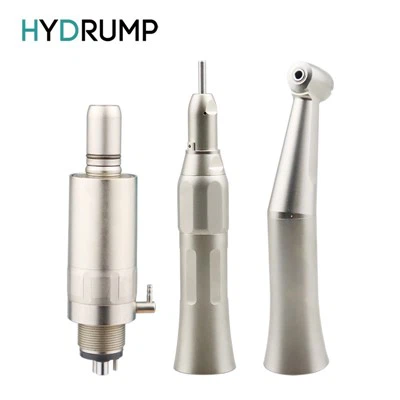
In conclusion, yes, a low speed handpiece can be sterilized, but it’s important to choose the right method and follow the proper procedures. And when you choose our low speed handpieces, you can rest assured that you’re getting a product that’s designed to make the sterilization process as easy and effective as possible.
Dental Unit References:
- Dental Instrument Sterilization Guidelines, American Dental Association
- Medical Device Sterilization Best Practices, World Health Organization
Foshan Wenjian Medical Instrument Co., Ltd.
Foshan Wenjian Medical Instrument Co., Ltd. is one of the most professional low speed handpiece manufacturers and suppliers in China, featured by supplying high quality medical devices. Welcome to wholesale low speed handpiece at competitive price from our factory. For more company information, contact us now.
Address: Workshop A, Sanyi Logistics, Shishan Town, Nanhai District, Foshan City, Guangdong Province, China
E-mail: Sales24@wenjian88.com
WebSite: https://www.chinaywjmed.com/
