Hey everyone, it’s Jake here, the guy who’s been hooked on wood chippers for over a decade and runs a small supplier spot for belt type wood chippers. I get this question all the time: “Can I use a belt type wood chipper in a residential area?” And honestly? It’s not a yes/no answer—there’s so much more nuance here, from how these machines work to local rules, what your actual residential space looks like, and even how you use the thing. Let’s break this down like we’re grabbing coffee (or a soda, no judgment) and chatting, no boring jargon. Belt Type Wood Chipper
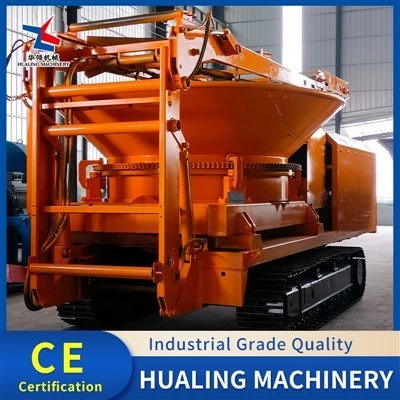
First, let’s get super clear on what a belt type wood chipper actually is, just so we’re all on the same page. Unlike those big, loud gas-powered tow-behind models you see on job sites that sound like a jet engine taking off, belt type chippers use a rubber belt system to feed wood into the chipper blades, right? No harsh chain-driven gears or that metal-on-metal grind that makes neighbors bang on the door 10 minutes after you start. They’re usually smaller, more compact, and way quieter than their commercial cousins—perfect for, say, cutting up fallen oak branches from your backyard or clearing overgrown brush around your property. That already makes them way more residential-friendly than other types, but let’s not kid ourselves: even a belt chipper can be a nuisance if you’re not careful.
Let’s talk noise first, because that’s the #1 complaint I hear from residential folks. I’ve tested my own belt model in my backyard, and let me tell you—at full tilt, it’s around 75 decibels. Wait, what’s that compare to? A normal conversation is about 60 dB, a busy street is 80 dB, so that belt chipper is slightly louder than talking, not like a lawnmower (which is 90 dB, for context). But here’s the catch: if you’re running it at 7 PM on a Saturday when your next-door neighbor has their kid’s birthday party, that’s a problem. Even quiet machines feel loud at the wrong time. Timing is everything here. Most residential zones have noise ordinances that ban power tools after 7 or 8 PM on weekdays, and 9 PM on weekends. I always tell people to check their local city or county’s code first—like, a 5-minute search on your city’s website takes 2 minutes, and saves you a $150 fine. Trust me, I’ve seen it happen. A guy in Suburbia X bought a chipper, ran it at 9 PM on a Friday, and got a knock from the cops before he even finished the first big branch.
Next up, safety. This is non-negotiable, especially for residential areas where kids and dogs might be running around. Belt type chippers are way safer than the old feed-wheel models, because the belt is a little slower at pulling in wood, right? Wait, no—wait, actually, the belt is designed to release if it hits something too hard, like a rock or a toy left on the grass. That’s a big plus! Feed-wheel chippers will yank whatever’s in there right in, no stopping, which can grab loose clothing or a kid’s hand. Belt models have a clutch system on the belt that disengages if there’s a jam, so you can turn it off and clear the block without panicking. But here’s the thing: safety isn’t just about the machine. You have to keep a 10-foot (or more) clear zone around the chipper. No kids, no pets, no lawn chairs within that area. I had a customer once who let his 7-year-old “help” by holding the branch, and the belt slipped a little—luckily, no one got hurt, but it was a close call. So even a belt chipper, which is safer, needs responsible use.
Now, space. You can’t just park a huge chipper on your tiny city lot and start chipping. Belt type chippers are smaller, but some still take up a 4×6 foot spot. If you’ve got a tiny backyard with a patio, you’re going to need to move it to an open area—like the corner of your yard, away from bedroom windows or your neighbor’s fence. Also, do you have a way to dispose of the chips? If you’re chipping for mulch for your garden, that’s easy, but if you’ve got a ton of branches, some cities require you to bag the chips or take them to a yard waste drop-off. No one likes a pile of wood chips blocking the sidewalk and making it hard for the mail carrier. That’s another way to annoy neighbors—don’t leave a mess.
Wait, let’s talk about exceptions, because I know some people have really big yards. Like, if you have an acre lot with no houses within 50 feet, that’s way different than a townhome with a shared wall. I had a customer in the country who runs his belt chipper on Saturdays all day, no complaints because his nearest neighbor is a quarter mile away. But if you’re in a subdivision where houses are 20 feet apart, you might need to ask your HOA too. A lot of HOAs have rules about power equipment use, even for residential stuff. Some will ban chippers entirely, others just say you can use them between 9 AM and 5 PM on weekdays. I always tell people to check HOA covenants before buying, that’s another thing that saves headaches.
Now, let’s get real about what belt type chippers are actually good for in residential areas. You’re not going to chip whole trees—those are commercial jobs. Belt chippers can handle branches up to like 4 inches thick, which is perfect for fallen branches after a storm, trimming hedges, clearing brush from your property line. I had a lady last spring who had a bunch of overgrown rose bushes in her backyard, and she used her belt chipper to turn them into mulch. She said it saved her $200 hiring a guy with a truck to take the brush away, and her roses loved the mulch. That’s a win. Another guy had a big maple tree drop 50 branches after a thunderstorm, he used his belt chipper in 3 hours, no mess, no fine.
But what are the pitfalls? Let’s be honest. If you try to use a belt chipper like it’s a commercial machine—running it all day, feeding it big logs, not cleaning the chips—you’re gonna have problems. Also, if you don’t maintain the belt? The belt is a wear part, right? You have to replace it every few years, just like a car tire. If it’s worn out, it’ll slip, make more noise, and even be less safe. I always send a free replacement belt with every residential order, because I don’t want people cutting corners on maintenance. That’s part of my whole thing—supporting residential users, not just big contractors.
Wait, I should also mention electric vs gas belt type chippers, because that’s a game-changer for residential. A lot of people don’t know there’s electric options! Electric belt chippers are even quieter—like 60 dB, same as conversation—and no fumes. So you can use them in the garage, or in your backyard on a cool evening, no gas fumes blowing into your neighbor’s window. The only downside is they need an extension cord (I recommend a heavy-duty one, 14-gauge or thicker, so it doesn’t overheat), but for small jobs, that’s perfect. I sell a lot of electric belt chippers to townhouse and condo owners who have small yards, because they’re compact and super quiet. Gas belt chippers are better for bigger jobs, like if you have a bunch of branches, but they’re still way quieter than other gas chippers, like 70 dB instead of 90.
Let’s wrap this up with a clear, no-BS answer to the original question: Yes, a belt type wood chipper can work in a residential area—but only if you follow the rules. Check local noise ordinances, check your HOA rules, use it at reasonable times, keep a safe zone around it, don’t leave a mess, and pick the right size for your space. I’ve had dozens of residential customers use my belt chippers for years without a single neighbor complaint, and even turned their brush into free mulch, saved money on yard work.
If you’re sitting here thinking, “Okay, this sounds good, but I need to figure out which size is right for my yard,” or “Wait, how do I check my local ordinances?” feel free to reach out. I’m not some big corporate sales guy pushing you to buy the priciest model—I’ll ask you about your yard size, how much brush you have, and point you to the best belt chipper for your specific residential needs. No pressure, just real advice from someone who’s been in the game for years.
Now, before I go, a quick note: Don’t get a chipper just because it seems cool. If you only have a few small branches a year, you’re probably better off hiring a neighbor’s kid or renting one for a day. But if you have ongoing yard work—like trimming big trees, clearing brush, storm cleanup—then a belt type chipper is a solid investment for residential use. It’s quieter, safer, and easier to deal with than other types, as long as you do it right.
Thanks for hanging out, and if you have questions, hit me up. I’m here to help, not sell you something you don’t need. Stay safe out there, and keep those yards (and chippers) running smoothly.
Wood Peeling Machine References:
- U.S. Environmental Protection Agency. (2021). Noise Level Guidelines for Residential Outdoor Power Equipment. EPA.gov.
- National Association of Home Builders. (2022). Residential Yard Equipment Safety and Ordinance Best Practices. NAHB.org.
- Wood Chipper Manufacturers Association. (2023). Belt-Type Wood Chipper Performance for Small-Scale Residential Use. WCMA Report.
- Occupational Safety and Health Administration. (2020). Power Tools and Equipment Safety: Wood Chippers. OSHA.gov.
- International Code Council. (2021). Residential Noise Control Code for Outdoor Equipment. ICC Digital Codes.
Shandong Hualing Machine Manufacturing Co., Ltd.
As one of the most professional belt type wood chipper manufacturers and suppliers in China, we also support customized service with low price. Please rest assured to buy discount belt type wood chipper in stock here from our factory. If you have any enquiry about quotation, please feel free to email us.
Address: Industrial Park, Dagong Village, Changshan Town, Zouping City, Shandong Province
E-mail: hualing@sdhualing.com
WebSite: https://www.hualingmachine.com/
