If you’ve ever pulled up to a CNG (compressed natural gas) station, whether to fuel a light-duty pickup, a transit bus, or a delivery van, you might not have thought much about the person handing you a nozzle or monitoring the dispenser. But here’s the thing: that station employee is your first line of defense when it comes to safety, compliance, and keeping operations running smoothly. As a CNG station equipment supplier, I’ve spent years working with operators across the U.S. and Canada, and one of the most common gaps I see is under-trained staff. It’s not that operators are cutting corners—they just don’t always know exactly what their employees need to learn, beyond the basic “push this button” training. CNG Station

CNG is a safe, reliable alternative to gasoline and diesel, but it’s also a highly pressurized fuel, stored at 3,600 pounds per square inch (PSI) in most station storage vessels. One misstep—from a loose nozzle connection to misreading a pressure gauge—can lead to leaks, equipment damage, or even injuries. That’s why training isn’t a one-and-done task; it’s an ongoing, layered process that covers everything from daily routine tasks to emergency response. Over the past 12 years in this industry, I’ve helped hundreds of stations build their training programs, and I’ve seen firsthand how a well-trained team cuts downtime by 40% on average and reduces OSHA recordable incidents by nearly 60%. So let’s break down exactly what CNG station employees need to know, role by role, to keep their stations safe and compliant.
First, let’s start with the core basics that every single employee at a CNG station—from the new part-time attendant working weekends to the station manager handling audits—must master. These are non-negotiable, because even the smallest mistake from a part-timer can spiral into a problem.
First up: CNG fuel properties and hazard awareness. A lot of new hires think CNG is the same as gasoline, but that’s a dangerous myth. Gasoline is a liquid that pools on the ground and ignites at low temperatures, while CNG is a vapor that disperses rapidly in air, but only ignites within a very specific concentration range (5% to 15% in air). Employees need to learn that, plus how CNG interacts with different materials—for example, it’s not compatible with certain types of rubber or plastic, which is why nozzle seals need to be inspected regularly. They also have to understand that CNG is odorless, so stations add a mercaptan odorant (like natural gas used in homes) to help detect leaks. Without that training, an employee might not pick up on a leak until it’s too late.
Next is OSHA and NFPA compliance, specifically tailored to CNG. The Occupational Safety and Health Administration (OSHA) has specific standards for pressurized fuel systems, including lockout/tagout procedures for maintenance, personal protective equipment (PPE) requirements, and confined space entry rules for things like vaults where storage lines run. The National Fire Protection Association (NFPA) has two key standards for CNG stations: NFPA 52, which covers vehicular gas fuel systems, and NFPA 70, the National Electrical Code, which outlines safe wiring around flammable fuels. Employees don’t need to be compliance experts, but they need to know which rules apply to their daily work. For example, OSHA requires all station staff to complete confined space entry training if they ever have to go into a storage vault, and NFPA 52 mandates that all employees know how to operate fire suppression systems. Most operators skip the deep dive here, but I always emphasize to my clients that this section is where 90% of potential safety violations come from—something we see in OSHA inspection reports every year.
Then there’s hands-on dispenser and basic equipment operation. This is the stuff employees do every single shift, so it has to be second nature. But it’s not just pushing a button to start a fuel fill. Employees need to know how to inspect dispensers before each shift: checking for damaged hoses, worn nozzle seals, cracked display screens, and any visible leaks. They have to learn how to properly connect and disconnect the CNG nozzle—too much force can damage the valve, while a loose connection can cause a leak mid-fill. They also need to know how to recognize error codes on the dispenser; a common one is a “pressure mismatch” code, which means the vehicle’s tank isn’t accepting fuel at the right rate, and the employee needs to stop the fill before the system triggers an automatic shutoff. I’ve had stations tell me their attendants just ignore error codes because they don’t know what they mean, which leads to overfilled tanks or wasted CNG. As a supplier, we include on-site hands-on training for our clients’ staff when we install new equipment, but too many operators skip that step and just give a 10-minute video. That’s a mistake.
Now, training can’t be one-size-fits-all. The requirements change depending on the employee’s role at the station. Let’s break down the three most common roles: entry-level attendants, maintenance technicians, and station managers.
Entry-level attendants are the front line—they interact with customers, monitor fuel fills, and handle basic tasks. Their training should be 20 to 40 hours of initial coursework, plus ongoing monthly refreshers in the first six months. In addition to the core basics I mentioned earlier, they need customer service training specific to CNG customers; many new CNG drivers don’t know how to use the dispenser, so attendants have to walk them through the process. They also need to know how to handle minor incidents: a customer knocks over a trash can near a dispenser, a small leak is reported, or a child gets too close to the fueling area. They should know when to call for help and when they can handle a small issue. For example, a minor leak around a nozzle can be fixed by tightening the connection, but if the leak is from the storage line, they need to immediately shut off the dispenser’s emergency stop button (E-stop) and notify their supervisor. I always advise clients to have their attendants shadow experienced staff for at least 10 shifts before working alone, because nothing beats on-the-job practice.
Next are maintenance technicians, the backbone of keeping the station running. These are the employees who handle routine inspections, repair equipment, and fix issues that come up. Their training is more extensive—usually 80 to 120 hours of initial training, plus annual certification. Beyond the core CNG safety and compliance knowledge, they need specialized training on storage vessels (the high-pressure tanks that hold CNG), compressor systems, and pipeline integrity. For example, they have to learn how to perform a hydrostatic test on a storage tank, which checks for leaks or structural damage from pressure. They also need to understand how compressors work, because a faulty compressor can cause pressure spikes that damage the entire station. Many of my clients hire technicians who have experience with gasoline stations, but CNG is different—gasoline pumps run at low pressure, while CNG compressors operate at thousands of PSI, so the training has to be specific. We work with a handful of accredited training providers to develop hands-on courses for technicians, because hands-on practice with actual CNG systems is the only way to build competence here. It’s not enough to watch a video; a technician has to actually troubleshoot a minor compressor issue under supervision before they’re allowed to work alone.
Then there’s the station manager, who is responsible for the entire operation, compliance, employee training, and emergency response. Their training is the most comprehensive—often 160+ hours of initial coursework, plus annual recertification. In addition to the technician and attendant requirements, managers need to know OSHA recordkeeping, NFPA audit procedures, and how to develop site-specific emergency action plans. They also have to be trained in incident investigation; if there’s a leak or a minor injury, they need to document it correctly, report it to OSHA if required, and prevent it from happening again. One thing I see a lot of new station owners miss is that managers have to be able to communicate with local fire departments in an emergency. That means they need to know how to share station schematics, identify CNG-specific hazards (like pressure relief valves that discharge gas), and guide first responders to safe areas. I always recommend that managers join local natural gas safety working groups, because that’s where they can learn from other operators and emergency responders about real-world incidents.
Training isn’t a one-time event, either. CNG technology evolves, safety rules change, and employees forget skills if they don’t practice regularly. So ongoing training is mandatory. For all employees, annual refreshers on OSHA, NFPA, and basic CNG safety are required, but operators should do more than that. Monthly team meetings to go over recent incidents (either at their station or another local CNG station) are a great way to keep the team sharp. For example, if a nearby station had a leak because a technician missed a worn hose during an inspection, the team can review that incident together and talk about how they would spot the same issue. For technicians, annual certification testing ensures they’re up to date on new equipment and regulations. For managers, quarterly audit prep sessions help them stay on top of changing compliance rules, which can be tricky because OSHA and NFPA update standards every few years.
Another key part of training is hands-on emergency response drills. This can’t be a one-time fire drill once a year. CNG stations should have at least two emergency drills per year, simulating common scenarios: a leak in the storage vault, a dispenser fire, an overfilled tank, or a customer injury. Drills help employees know exactly what to do when an actual emergency happens, instead of panicking. For example, during a drill, the attendant would trigger the E-stop, notify the manager, evacuate the area, and use a fire extinguisher (specifically a Class B or Class C extinguisher, since CNG fires are flammable gas fires). I’ve seen stations that do drills quarterly, and their response time during an actual incident is 50% faster than stations that only do one drill a year. It’s a small investment that makes a huge difference in safety.
Now, as a CNG station equipment supplier, I know that many operators worry about the cost of training. They might think it’s cheaper to skip formal training and just let employees figure things out on the job. But that’s a false economy. A single incident at a CNG station can cost hundreds of thousands of dollars in equipment damage, fines, and lost revenue. Last year, I worked with a small independent station that had a leak because an untrained attendant didn’t spot a worn nozzle seal. The leak led to a fire that took out three dispensers and closed the station for six weeks. The total cost of the incident? Over $200,000, not including the OSHA fines that came in at $13,000 for multiple safety violations. That’s way more than the cost of a comprehensive training program for all employees.
And it’s not just about safety—well-trained employees improve the customer experience. CNG is a newer fuel for many drivers, and they often have questions about how it works, how fast it fills, or what the range is for their vehicle. A well-trained attendant can answer those questions, build trust, and keep customers coming back. I’ve had clients tell me that after implementing a formal training program, their customer satisfaction scores went up by 25%, because employees felt confident helping customers instead of being nervous about answering questions.
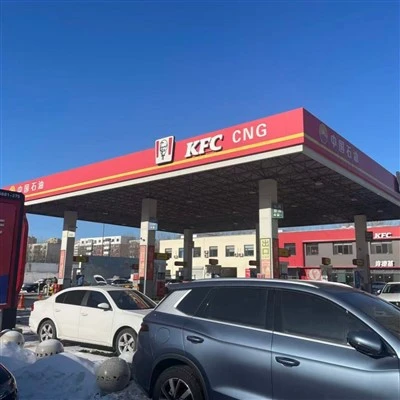
If you’re a CNG station operator looking to get your team trained, or if you’re in the process of building a new CNG station and need guidance on equipment and training, I’m here to help. As a supplier, I don’t just sell dispensers and compressors—I work with operators to build complete training programs tailored to their staff and their specific station setup. Whether you need hands-on training for technicians, customer service training for attendants, or emergency drill planning for your management team, we can connect you with accredited providers and develop a program that fits your budget. Reach out to learn more about our training support and how we can help keep your station safe, compliant, and profitable.
References
CNG Standard Station Compressed Natural Gas (CNG) Station Safety Training Guidelines, NFPA 52, 2024 Edition.
OSHA Standard 1910.110, Specific Requirements for Oxygen-Fuel Gas Welding, Cutting, and All Other Burning Processes.
CNG Station Employee Training Best Practices, Natural Gas Vehicles for America (NGVAmerica), 2023 Industry Safety Report.
Hydrostatic Testing Procedures for High-Pressure CNG Storage Vessels, Compressed Gas Association (CGA) Pamphlet P-1, 2022.
Qingdao Lenado Intelligent Equipment Co., Ltd.
Qingdao Lenado Intelligent Equipment Co., Ltd. is one of the most experienced CNG station manufacturers and suppliers in China. We have world-leading production equipment and strong manufacturing capabilities. Please rest assured to wholesale bulk customized CNG station from our factory.
Address:
E-mail: genkegasstation@163.com
WebSite: https://www.cnggasstation.com/
