As a seasoned supplier in the realm of power transformer oil tanks, I’ve witnessed firsthand the critical role that oil quality plays in the optimal functioning of transformers. The oil within these tanks serves multiple purposes, from insulating internal components to dissipating heat generated during operation. To ensure the safety, reliability, and longevity of power transformers, adhering to strict standards for oil quality is non – negotiable. Power Transformer Oil Tank

Physical Properties of Transformer Oil
One of the primary aspects of assessing transformer oil quality is examining its physical properties. First and foremost is the density of the oil. The density of transformer oil at 20°C typically ranges between 0.85 and 0.90 g/cm³. A deviation from this range can indicate the presence of contaminants or degradation products. For instance, if the density is higher than normal, it might suggest the accumulation of moisture or heavy – molecular – weight oxidation by – products.
Viscosity is another crucial physical property. Transformer oil should possess an appropriate viscosity to ensure efficient heat transfer and proper lubrication of moving parts (if any). At 40°C, the kinematic viscosity of transformer oil usually falls between 8 and 20 mm²/s. Low viscosity may lead to insufficient insulation, while high viscosity can impede the flow of oil, resulting in poor heat dissipation.
The flash point of the oil is an important safety parameter. It refers to the lowest temperature at which the oil gives off enough vapor to form an ignitable mixture with air near its surface. For transformer oil, the flash point should be at least 140°C. A low flash point increases the risk of fire and explosion within the transformer tank, which can have catastrophic consequences for both the equipment and the surrounding environment.
Chemical Properties of Transformer Oil
Chemically, transformer oil should be highly stable. Oxidation stability is a key factor. Transformer oil is constantly exposed to oxygen and high temperatures during operation, which can cause it to oxidize. Oxidation leads to the formation of sludge, acids, and other degradation products that can corrode internal components and reduce the insulation performance of the oil. To enhance oxidation stability, antioxidants are often added to the oil.
The acid value of transformer oil is a measure of its acidic content. A high acid value indicates increased oxidation and degradation. Typically, the acid value of fresh transformer oil should be less than 0.03 mg KOH/g. As the oil ages, the acid value may increase gradually, and if it exceeds 0.1 mg KOH/g, it might be time to consider oil treatment or replacement.
Moisture content is also a significant chemical parameter. Moisture can enter the transformer oil tank through various means, such as poor sealing or condensation. Even a small amount of moisture can have a detrimental effect on the insulation properties of the oil. The moisture content in transformer oil should be kept below 20 ppm (parts per million) for reliable operation. Higher moisture levels can lead to partial discharges, which can damage the insulation and ultimately cause the transformer to fail.
Electrical Properties of Transformer Oil
The electrical properties of transformer oil are fundamental to its role in power transformers. The dielectric strength of the oil is of utmost importance. It is the maximum electric field strength that the oil can withstand without breaking down. Typically, the dielectric strength of fresh transformer oil should be at least 40 kV/2.5 mm. A lower dielectric strength indicates a reduced ability to insulate, increasing the risk of electrical breakdown and short – circuits within the transformer.
The power factor of transformer oil is another important electrical parameter. It represents the ratio of the active power dissipated in the oil to the apparent power. A low power factor indicates a high – quality insulating oil. For fresh transformer oil, the power factor at 90°C should be less than 0.005. An increase in the power factor over time can be a sign of oil degradation, contamination, or the presence of moisture.
Testing and Monitoring of Transformer Oil Quality
To ensure that the transformer oil in our tanks meets these standards, we implement a comprehensive testing and monitoring program. Regular oil sampling is carried out at specific intervals to examine the oil’s physical, chemical, and electrical properties. Laboratory tests are conducted using advanced equipment to obtain accurate results.
In addition to periodic sampling, online monitoring systems can be installed in the transformer oil tanks. These systems continuously measure parameters such as temperature, moisture content, and dielectric strength in real – time. By detecting early signs of oil degradation or abnormal conditions, timely maintenance actions can be taken to prevent costly breakdowns.
Industry Standards and Regulations
There are several international and national standards that govern the quality of transformer oil. For example, the International Electrotechnical Commission (IEC) has published standards such as IEC 60296, which specifies the requirements for unused mineral insulating oils for transformers and switchgear. In the United States, the American Society for Testing and Materials (ASTM) has developed standards like ASTM D3487, which covers the specifications for electrical insulating oils of petroleum origin.
Compliance with these standards is not only essential for ensuring the performance and safety of power transformers but also for meeting regulatory requirements in different regions. As a responsible supplier, we make sure that all the oil tanks we provide are filled with oil that meets or exceeds these industry – recognized standards.
The Role of Our Company in Ensuring Oil Quality
At our company, we understand the importance of delivering power transformer oil tanks filled with high – quality oil. We source our transformer oil from trusted suppliers who adhere to strict quality control measures. Our in – house quality assurance team conducts thorough inspections and tests on the oil before it is filled into the tanks.
We also provide comprehensive after – sales services, including technical support and oil – testing facilities. Our team of experts is available to assist customers with any questions or concerns regarding oil quality, maintenance, and troubleshooting.
Conclusion
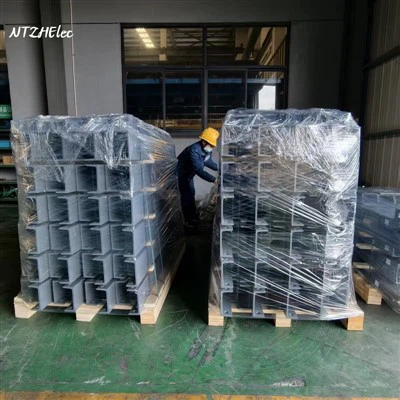
In conclusion, the standards for oil quality in a power transformer oil tank are multifaceted, encompassing physical, chemical, and electrical properties. Maintaining high – quality oil is essential for the reliable and efficient operation of power transformers. By adhering to industry standards, conducting regular testing and monitoring, and providing top – notch after – sales support, we strive to be the preferred supplier of power transformer oil tanks.
Power Transformer Oil Tank If you are in the market for power transformer oil tanks and are looking for a supplier who can guarantee the highest quality of oil and tanks, we invite you to reach out to us for a detailed discussion. Our team is eager to understand your specific requirements and provide you with the best solutions.
References
- International Electrotechnical Commission (IEC). IEC 60296: Unused mineral insulating oils for transformers and switchgear.
- American Society for Testing and Materials (ASTM). ASTM D3487: Standard specification for electrical insulating oils of petroleum origin.
Nantong Zhihe Electric Co., Ltd.
As one of the most professional power transformer oil tank manufacturers and suppliers in China, we’re featured by quality products and low price. Please rest assured to wholesale cheap power transformer oil tank made in China here from our factory. Customized orders are welcome.
Address: NO.202 Jianghai West Road, Hai’an Town, Hai’an City, Jiangsu Province
E-mail: colt.ntzh@gmail.com
WebSite: https://www.ntzhelectric.com/
