As a supplier of hydraulic valve blocks, I’ve witnessed the increasing demand for energy – efficient solutions in the hydraulic industry. In today’s era, where energy conservation and sustainable development are of utmost importance, improving the energy efficiency of hydraulic valve blocks is not only a technical challenge but also a significant competitive advantage. In this blog post, I’m going to share some practical ways to enhance the energy efficiency of hydraulic valve blocks. Hydraulic Valve Block
Understanding the Basics of Hydraulic Valve Blocks and Energy Efficiency
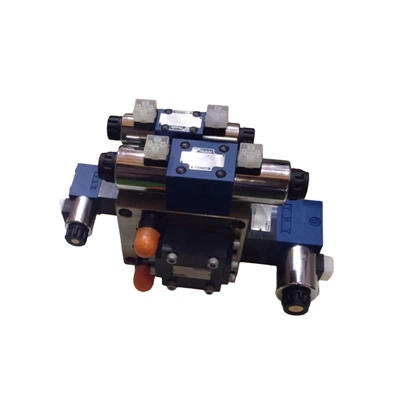
Before delving into the improvement methods, it’s essential to understand what a hydraulic valve block is and how energy is consumed in its operation. A hydraulic valve block is a crucial component in hydraulic systems. It houses multiple valves such as directional control valves, pressure control valves, and flow control valves, which work together to regulate the flow, pressure, and direction of hydraulic fluid.
Energy consumption in hydraulic valve blocks mainly occurs due to pressure losses, leakage, and inefficient valve control. Pressure losses happen when the fluid flows through the valve block, especially at narrow passages, sharp corners, and valves. Leakage can occur at valve seats, seals, and connections, leading to a waste of energy as the pump has to work harder to maintain the required pressure. Inefficient valve control means that the valves may not be opening or closing at the optimal times, resulting in unnecessary energy consumption.
Choosing the Right Design
One of the fundamental steps in improving energy efficiency is the design of the hydraulic valve block. A well – designed valve block can significantly reduce pressure losses and enhance flow characteristics.
-
Optimize Flow Paths: Design the internal flow passages of the valve block to be as straight and smooth as possible. Avoid sharp bends and sudden changes in cross – sectional area. By using computer – aided design (CAD) and computational fluid dynamics (CFD) software, we can simulate the fluid flow inside the valve block and make necessary adjustments to minimize pressure drops. For example, by using rounded corners and gradual transitions in the flow channels, we can reduce the turbulence of the fluid flow, which in turn reduces energy losses.
-
Reduce Unnecessary Volume: Minimize the overall volume of the valve block while still meeting the functional requirements. A smaller volume means less fluid needs to be pumped and pressurized, resulting in lower energy consumption. We can carefully analyze the valve arrangement and piping connections to eliminate any redundant spaces or components.
-
Integrated Design: Consider an integrated design where multiple valves are combined into a single valve block. This reduces the number of external connections and hoses, which can also reduce leakage and pressure losses. For instance, instead of using several individual valves connected by hoses, we can design a valve block that integrates all the necessary functions, providing a more compact and energy – efficient solution.
Selecting High – Quality Components
The choice of components used in the hydraulic valve block has a direct impact on its energy efficiency.
-
Valves: Select high – performance valves with low pressure drops. For example, some modern directional control valves are designed with advanced spool geometries and low – friction materials, which can significantly reduce the pressure required to operate the valve. Additionally, valves with precise control capabilities can ensure that the hydraulic system operates at the optimal pressure and flow rate, avoiding over – pressurization and excessive flow.
-
Seals: Use high – quality seals to prevent leakage. Leakage not only wastes energy but can also lead to system malfunctions and environmental pollution. Seals made of advanced materials such as fluorocarbon or silicone rubber offer better resistance to wear, high pressure, and temperature, ensuring a tight seal and minimizing energy losses.
-
Pumps: Although the pump is not part of the valve block itself, it is an essential component of the hydraulic system. Selecting a pump with the appropriate capacity and efficiency for the specific application is crucial. A pump that is too large for the system will consume more energy than necessary, while a pump that is too small may not be able to provide the required pressure and flow. Variable – displacement pumps can be an excellent choice as they can adjust their output based on the system demand, reducing energy consumption during periods of low demand.
Implementing Advanced Control Strategies
Advanced control strategies can further improve the energy efficiency of hydraulic valve blocks.
-
Proportional and Servo Control: Proportional and servo valves can provide precise control of the hydraulic fluid flow and pressure. By using electronic control systems, these valves can be adjusted in real – time according to the system requirements, ensuring that the hydraulic system operates at the most energy – efficient point. For example, in a robotic arm hydraulic system, proportional valves can adjust the speed and force of the movement based on the load and the desired position, reducing energy waste.
-
Load – Sensing Control: Load – sensing systems can detect the pressure required by the load and adjust the pump output accordingly. This means that the pump only delivers the necessary pressure and flow to meet the load demand, rather than operating at a constant high – pressure level. As a result, energy consumption can be significantly reduced, especially in systems with variable loads.
-
Automated Shut – off: Implement automated shut – off mechanisms for the hydraulic system when it is not in use or during idle periods. This can prevent unnecessary energy consumption due to standby losses. For example, in a mobile hydraulic equipment, the system can be programmed to shut down the pump when the machine is parked for a certain period.
Regular Maintenance and Monitoring
Regular maintenance and monitoring are essential to ensure the long – term energy efficiency of hydraulic valve blocks.
-
Inspection and Cleaning: Regularly inspect the valve block for signs of wear, damage, or leakage. Clean the valve block and its components to remove any dirt, debris, or contaminants that may affect the flow of the hydraulic fluid. This can prevent blockages and reduce pressure losses.
-
Seal Replacement: Replace worn or damaged seals in a timely manner to prevent leakage. Seals are subject to wear over time due to pressure, temperature, and fluid contamination, so regular replacement can help maintain the energy efficiency of the valve block.
-
Performance Monitoring: Use sensors and monitoring systems to track the performance of the hydraulic valve block, such as pressure, flow rate, and temperature. By analyzing the data collected, we can detect any abnormal changes in the system and take corrective actions before major problems occur. For example, a sudden increase in pressure drop may indicate a blockage or a malfunctioning valve, which can be addressed promptly to avoid energy waste.
Conclusion

Improving the energy efficiency of hydraulic valve blocks is a multi – faceted task that involves design optimization, high – quality component selection, advanced control strategies, and regular maintenance. As a hydraulic valve block supplier, we are committed to providing our customers with energy – efficient solutions that not only meet their performance requirements but also help them reduce their energy consumption and operating costs.
Hydraulic Cylinder If you are looking for high – quality, energy – efficient hydraulic valve blocks, we are here to help. Our team of experts can work with you to understand your specific needs and provide customized solutions. Contact us to discuss your requirements and start a partnership that can lead to significant energy savings and improved system performance.
References
- Boselli, G., & Sorli, M. (2012). Energy efficiency in hydraulic systems: a review. Energy Conversion and Management, 63, 228 – 238.
- Ivantysyn, J., & Ivantysynova, M. (2009). Fluid power systems. Springer.
- Thoma, M., & Ivantysynova, M. (2010). Energy – efficient mobile working machines: a holistic approach. Proceedings of the Institution of Mechanical Engineers, Part I: Journal of Systems and Control Engineering, 224(6), 737 – 750.
Wuhu Zhongye Fluid Equipment Co., Ltd.
We are one of the most experienced hydraulic valve block manufacturers and suppliers in China, specialized in providing high quality customized products. Please feel free to wholesale bulk durable hydraulic valve block in stock here from our factory. Contact us for quotation.
Address: No. 2, Hexing Road, Sanshan District, Wuhu City, Anhui Province
E-mail: zhongyehydro20@163.com
WebSite: https://www.zhongyehydro.com/
