Hey there! I’m a supplier of nervous system agents, and I’m super excited to chat with you about the main types of these agents. You know, the nervous system is like the control center of our bodies, coordinating and regulating all sorts of functions. Nervous system agents play a crucial role in either enhancing or modulating the activities of this complex system. So, let’s dive right in and explore the different kinds! Nervous System Agents
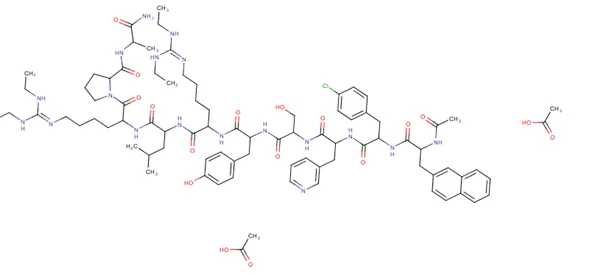
1. Anesthetics
First up, we’ve got anesthetics. These guys are absolute game – changers in the medical world. Anesthetics are used to block pain sensations during surgical procedures. There are two main types: general anesthetics and local anesthetics.
General anesthetics put the patient into a state of unconsciousness. They work by depressing the central nervous system (CNS). When a patient is under general anesthesia, they don’t feel any pain, they’re not aware of what’s going on, and their body’s reflexes are also suppressed. It’s like hitting the "pause" button on the body’s awareness. Drugs like propofol are commonly used as general anesthetics. Propofol acts on the GABA receptors in the brain, enhancing the inhibitory actions of this neurotransmitter, which leads to sedation and loss of consciousness.
On the other hand, local anesthetics are used to numb a specific area of the body. You’ve probably had a local anesthetic at the dentist. Lidocaine is a well – known local anesthetic. It works by blocking the sodium channels in the nerve fibers. When these channels are blocked, the nerve impulses that carry pain signals can’t travel along the nerve, so you don’t feel any pain in the affected area.
2. Analgesics
Analgesics are known as painkillers. They’re used to relieve pain without causing a loss of consciousness. We have two broad categories here: non – opioid analgesics and opioid analgesics.
Non – opioid analgesics are the ones you’re likely to have in your medicine cabinet at home. Drugs like aspirin and ibuprofen fall into this category. They work by inhibiting the production of prostaglandins, which are chemicals in the body that play a role in pain and inflammation. Aspirin, for example, blocks the cyclooxygenase (COX) enzymes, which are responsible for prostaglandin synthesis. This reduction in prostaglandin levels helps to reduce pain, fever, and inflammation.
Opioid analgesics, on the other hand, are more powerful painkillers. Morphine is a classic example. Opioids bind to opioid receptors in the CNS and peripheral nervous system. When they bind to these receptors, they alter the way the body perceives pain. They can also cause a sense of euphoria, which is why they need to be used carefully because of the risk of addiction.
3. Antiepileptic Drugs
Epilepsy is a neurological disorder characterized by recurrent seizures. Antiepileptic drugs are used to control these seizures. There are several mechanisms by which these drugs work. Some of them work by stabilizing the electrical activity in the brain.
For instance, phenytoin works by blocking the sodium channels in the neurons in a use – dependent manner. This means that it blocks the channels more effectively when the neurons are firing frequently, like during a seizure. By blocking the sodium channels, it prevents the excessive and abnormal electrical discharges that cause seizures.
Another type of antiepileptic drug is valproic acid. It works in multiple ways. It inhibits the breakdown of the neurotransmitter GABA, which is an inhibitory neurotransmitter in the brain. By increasing the levels of GABA, it helps to dampen down the over – excitability of neurons and prevent seizures.
4. Psychotropic Drugs
Psychotropic drugs are used to treat mental health disorders. There are several subtypes, including antidepressants, antipsychotics, and anxiolytics.
Antidepressants are used to treat depression. Selective serotonin reuptake inhibitors (SSRIs), like fluoxetine, are very commonly prescribed. They work by blocking the reuptake of serotonin, a neurotransmitter that plays a key role in regulating mood. By keeping more serotonin available in the synapse, they can improve mood and relieve symptoms of depression.
Antipsychotics are used to treat disorders like schizophrenia. They work by blocking dopamine receptors in the brain. Dopamine is a neurotransmitter that is thought to be over – active in schizophrenia. By blocking the dopamine receptors, antipsychotics can reduce symptoms such as hallucinations and delusions.
Anxiolytics are used to treat anxiety disorders. Benzodiazepines, like diazepam, are a well – known class of anxiolytics. They work by enhancing the effects of GABA, the inhibitory neurotransmitter. By increasing the calming effect of GABA, they can reduce feelings of anxiety and promote relaxation.
5. Stimulants
Stimulants are agents that increase the activity of the central nervous system. Amphetamines are a classic example of stimulants. They work by increasing the release of neurotransmitters like dopamine and norepinephrine and inhibiting their reuptake.
In the medical field, stimulants are used to treat conditions like attention – deficit/hyperactivity disorder (ADHD). Drugs like methylphenidate are commonly prescribed for ADHD. They help to improve focus, concentration, and reduce hyperactivity.
However, stimulants also have a potential for abuse. When misused, they can lead to increased energy, euphoria, and in some cases, addiction. So, they need to be used under strict medical supervision.
6. Muscle Relaxants
Muscle relaxants are used to relieve muscle spasms and stiffness. There are two main types: central and peripheral muscle relaxants.
Central muscle relaxants act on the central nervous system. Drugs like baclofen work by acting on the GABA receptors in the spinal cord. By enhancing the inhibitory effects of GABA, they can reduce the excitability of the motor neurons, which leads to muscle relaxation.
Peripheral muscle relaxants act directly on the muscle itself. Botulinum toxin is a well – known peripheral muscle relaxant. It works by blocking the release of acetylcholine at the neuromuscular junction. Without acetylcholine, the muscle can’t contract, so it relaxes. Botulinum toxin is used to treat conditions like muscle spasms, as well as for cosmetic purposes to reduce the appearance of wrinkles.
As a supplier of nervous system agents, I understand the importance of high – quality products. We strive to provide the best in terms of purity, efficacy, and safety. Whether you’re a pharmaceutical company looking for raw materials, a research institution conducting studies on the nervous system, or a healthcare provider in need of reliable medications, we’ve got you covered.
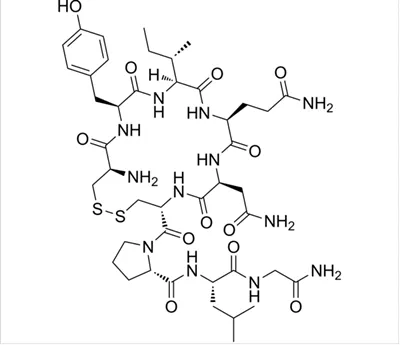
If you’re interested in learning more about our nervous system agents or want to start a procurement discussion, don’t hesitate to reach out. We’re here to answer all your questions and work with you to meet your specific needs.
Nervous System Agents References:
- Goodman & Gilman’s The Pharmacological Basis of Therapeutics
- Katzung & Trevor’s Pharmacology: Examination and Board Review
- Principles of Neural Science by Eric R. Kandel et al.
HK Neopharm Limited
HK Neopharm Limited is one of the most professional nervous system agents manufacturers and suppliers in China, also supports customized service. Welcome to buy high quality nervous system agents in stock here and get quotation from our factory. For price consultation, contact us.
Address: Room W Unit 6086/f Metro Loft 38kwai Hei St Kwai Chung, Hong Kong
E-mail: sales@hkneopharm.com
WebSite: https://www.hkneopharm.com/
