When it comes to the operation of liquefaction storage equipment, noise is not just an annoyance but can also be a sign of inefficiencies, potential mechanical issues, and a disruption to the working environment. As a reliable supplier of liquefaction storage equipment, I’ve witnessed firsthand the impact that excessive noise can have on operations and personnel. In this blog, I’ll share some practical strategies to reduce the noise generated by liquefaction storage equipment. Liquefaction Storage Equipment
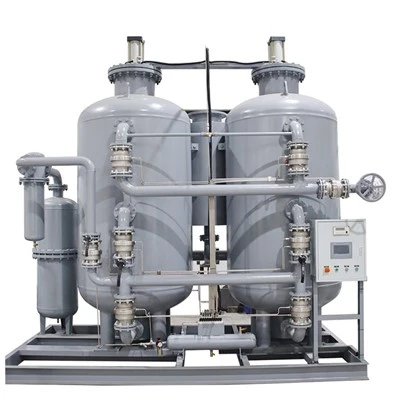
Understanding the Sources of Noise
Before we can tackle the problem of noise reduction, it’s crucial to understand where the noise is coming from. In liquefaction storage equipment, the primary sources of noise typically include:
- Compressors: These are the heart of the liquefaction process, and they generate a significant amount of noise due to the high – speed rotation of their components and the compression of gases.
- Pumps: Pumps are used to transfer liquefied substances, and the mechanical movement of their impellers and the flow of fluids through them can create substantial noise.
- Valves: The opening and closing of valves, as well as the flow of fluids through them, can cause vibrations and noise.
- Fans: Fans are often used for cooling purposes, and their blades cutting through the air at high speeds can generate a loud, continuous noise.
Strategies for Noise Reduction
1. Equipment Selection and Installation
- Choose Low – Noise Equipment: When sourcing components for liquefaction storage equipment, opt for models that are specifically designed to operate quietly. Many manufacturers now offer compressors, pumps, and fans with advanced noise – reduction features, such as improved motor designs and sound – dampening materials.
- Proper Installation: Ensure that all equipment is installed correctly. Misaligned components can cause excessive vibrations and noise. Use vibration – isolating mounts for compressors, pumps, and other heavy machinery. These mounts can absorb and dissipate the vibrations, preventing them from being transmitted to the surrounding structure.
2. Maintenance and Lubrication
- Regular Maintenance: Regular maintenance of liquefaction storage equipment is essential for noise reduction. Worn – out parts can create additional noise as they operate. Check and replace bearings, belts, and seals regularly. For example, a loose or worn belt on a compressor can cause a screeching noise, which can be eliminated by tightening or replacing the belt.
- Lubrication: Proper lubrication of moving parts reduces friction, which in turn reduces noise. Make sure to use the right type and amount of lubricant for each component. For pumps and compressors, follow the manufacturer’s recommendations for lubrication intervals and types of lubricants.
3. Sound Insulation
- Enclosures: Install sound – proof enclosures around noisy equipment such as compressors and pumps. These enclosures are typically made of materials with high sound – absorption properties, such as fiberglass or acoustic foam. The enclosure can significantly reduce the amount of noise that escapes into the surrounding environment.
- Wall and Ceiling Insulation: In the storage facility, insulate the walls and ceilings with sound – absorbing materials. This can help to contain the noise within the facility and prevent it from disturbing nearby areas.
4. Fluid Flow Management
- Smooth Piping Design: Design the piping system in the liquefaction storage equipment to minimize fluid flow disturbances. Sharp bends, sudden expansions, or contractions in the piping can cause turbulence and noise. Use gradual bends and smooth transitions in the piping layout.
- Flow Control: Install flow control valves and regulators to maintain a stable and consistent flow of fluids. Unstable flow can lead to pressure fluctuations and noise. By controlling the flow rate, you can reduce the noise generated by the movement of fluids through the system.
5. Vibration Damping
- Vibration – Dampening Materials: Use vibration – dampening materials in the construction of the equipment and its supporting structures. For example, rubber pads or springs can be placed between the equipment and the floor to absorb vibrations. These materials can convert the mechanical energy of vibrations into heat energy, reducing the amount of noise produced.
- Dynamic Balancing: Ensure that rotating components such as compressor shafts and fan blades are dynamically balanced. Unbalanced rotating parts can cause excessive vibrations and noise. Regularly check and correct the balance of these components to minimize noise.
Benefits of Noise Reduction
Reducing the noise of liquefaction storage equipment offers several significant benefits:
- Improved Workplace Safety: Excessive noise can be a distraction and can interfere with communication in the workplace. By reducing the noise level, workers can better focus on their tasks, reducing the risk of accidents.
- Enhanced Equipment Lifespan: Noise is often an indicator of mechanical stress and wear. By reducing noise, you can also reduce the mechanical stress on the equipment, which can extend its lifespan and reduce the frequency of breakdowns.
- Compliance with Regulations: Many regions have strict noise regulations in industrial areas. By reducing the noise of your liquefaction storage equipment, you can ensure compliance with these regulations and avoid potential fines.
- Better Neighbor Relations: If your liquefaction storage facility is located near residential or other sensitive areas, reducing noise can help to improve relations with the neighbors.
Conclusion
As a supplier of liquefaction storage equipment, I understand the importance of providing not only high – quality equipment but also solutions to the problems that come with it, such as noise. By implementing the strategies outlined in this blog, you can effectively reduce the noise of your liquefaction storage equipment, leading to a safer, more efficient, and more compliant operation.
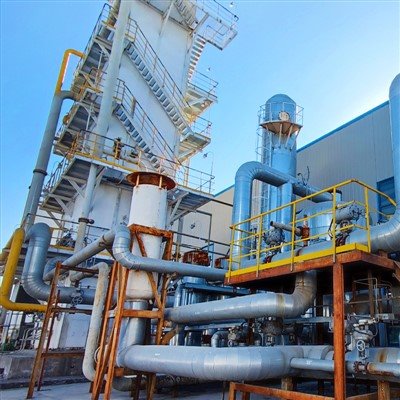
If you are in the market for liquefaction storage equipment or are looking for ways to reduce the noise of your existing setup, I invite you to reach out to us. Our team of experts is ready to assist you in finding the best solutions for your specific needs. Let’s work together to create a quieter and more productive environment for your operations.
Liquefaction Storage Equipment References:
- Machinery’s Handbook, 31st Edition, Industrial Press Inc.
- "Noise Control in HVAC Systems" by ACGIH (American Conference of Governmental Industrial Hygienists)
- Manufacturer’s manuals for various liquefaction storage equipment components
Xinxiang Jiale Intelligent Equipment Co., Ltd.
As one of the most professional liquefaction storage equipment manufacturers and suppliers in China, we’re featured by quality products and good service. Please rest assured to buy durable liquefaction storage equipment for sale here from our factory. We also accept customized orders.
Address: No.3913, 9th Floor, Unit 3, East Commercial and Office Complex, Baolong City Plaza, Hongqi District, Xinxiang City, Henan Province, China
E-mail: cc2397410@gmail.com
WebSite: https://www.jiale-asu.com/
