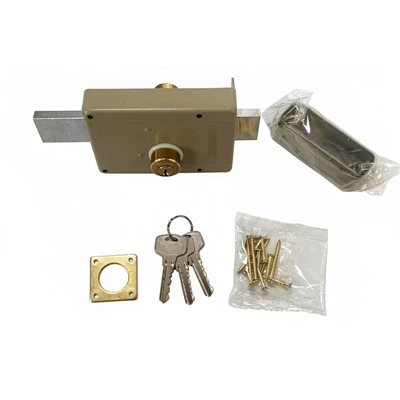
Hey there, fellow security enthusiasts! I’m a supplier in the magnetic lock body industry, and today, I’m super excited to dive deep into how a magnetic lock body works seamlessly with a retina recognition system. This combination represents the cutting – edge of security technology, and understanding it can help you make informed decisions when it comes to safeguarding your properties. Magnetic Lock Body
First, let’s get a clear grasp of what each component does on its own before exploring their synergy. A magnetic lock body, also known as an electromagnetic lock, is a locking mechanism that uses an electric current to generate a magnetic field. It typically consists of two main parts: the electromagnet, which is usually attached to the door frame, and the armature plate, which is fixed to the door itself. When the power is on, the magnetic force between the electromagnet and the armature plate holds the door securely closed. Once the power is cut off, the magnetic force dissipates, allowing the door to be opened. Magnetic locks are popular for their high holding force, reliability, and ease of installation. They are commonly used in commercial buildings, schools, and other areas where security and quick access control are essential.
On the other hand, a retina recognition system is a type of biometric security technology. It works by analyzing the unique patterns of blood vessels in the human retina. The system uses a low – intensity infrared light to illuminate the eye, and a specialized camera captures the reflected light pattern. This pattern is then compared to a pre – enrolled template in the system’s database. If there is a match, the system grants access; otherwise, it denies entry. Retina recognition is considered one of the most accurate and secure biometric methods because the retina’s vascular pattern is highly individual and nearly impossible to forge.
So, how do these two technologies work together? The process starts with the retina recognition system. When a person approaches the door equipped with this combined system, they are prompted to look into the retina scanner. The scanner quickly captures the retina pattern and sends it to the system’s control unit. The control unit then compares the captured pattern with the stored templates.
If a match is found, the control unit sends a signal to the magnetic lock body. This signal is essentially an electrical command to cut off or reduce the power supply to the electromagnet. As the magnetic field weakens, the force holding the armature plate to the electromagnet decreases, and the door can be opened. In some advanced systems, the control unit may also adjust the magnetic force gradually, providing a smooth and quiet unlocking process.
Conversely, if the retina scan does not match any of the stored templates, the control unit does not send the unlocking signal to the magnetic lock. The magnetic force remains intact, keeping the door firmly closed. This ensures that only authorized individuals can gain access to the secured area.
One of the key advantages of combining a magnetic lock body with a retina recognition system is enhanced security. Traditional lock and key systems can be compromised through methods such as lock – picking or key duplication. Even many electronic access control systems using cards or PINs can be vulnerable to theft or unauthorized use. In contrast, the combination of a magnetic lock and retina recognition provides multi – layer security. The unique nature of the retina pattern makes it extremely difficult for unauthorized individuals to gain entry, and the high holding force of the magnetic lock ensures that the door remains secure even in the face of physical attacks.
Another benefit is the convenience. With a retina recognition system, there’s no need to carry around keys or access cards, which can be easily lost or forgotten. A simple glance into the scanner is all it takes to unlock the door. This is especially useful in high – traffic areas where quick and efficient access is crucial, such as office buildings or hospitals.
In addition, the integration of these two technologies offers excellent auditability. The retina recognition system can log every access attempt, including the time, date, and the identity of the person. This information can be invaluable for security management, as it allows for detailed monitoring and analysis. For example, if there are any suspicious access attempts, the security team can review the logs to determine what happened and take appropriate action.
However, like any technology, there are also some challenges and considerations when using a magnetic lock body with a retina recognition system. One of the main challenges is the initial cost. Both magnetic locks and retina recognition systems are relatively expensive compared to traditional security systems. The cost of purchasing, installing, and maintaining these systems can be a significant investment, especially for small businesses or individual homeowners.
There are also some privacy concerns associated with retina recognition technology. Since the system stores sensitive biometric data, there is always a risk of data breaches. It’s crucial for system providers to implement strict security measures to protect this information and ensure compliance with relevant privacy laws and regulations.
Another consideration is the environmental factors that can affect the performance of the retina recognition system. For example, bright sunlight or extreme temperatures can interfere with the accuracy of the retina scan. Similarly, the magnetic lock body can be affected by power outages or electrical interference. To mitigate these issues, it’s important to choose high – quality components and install them in suitable environments.
As a magnetic lock body supplier, I understand the importance of providing reliable and high – performance products that can be seamlessly integrated with retina recognition systems. Our magnetic lock bodies are designed with advanced technology to ensure maximum holding force and durability. They are also compatible with a wide range of control systems, making it easy to integrate them with retina recognition devices.
If you’re in the market for a security solution that combines the power of a magnetic lock body with the accuracy of a retina recognition system, I encourage you to reach out to me. We can discuss your specific needs, provide detailed product information, and offer customized solutions to meet your security requirements. Whether you’re looking to secure a small office or a large commercial building, we have the expertise and products to help you create a safe and secure environment.
In conclusion, the combination of a magnetic lock body and a retina recognition system represents the future of security technology. By understanding how these two components work together, you can make an informed decision about the best security solution for your property. Don’t hesitate to contact me if you have any questions or are interested in exploring the possibilities of this advanced security system.
Mortise Lock Body References
- "Biometric Technology: Retina Recognition" – Journal of Security Technology
- "Magnetic Lock Systems: Principles and Applications" – International Journal of Locking Mechanisms
- "Integrating Biometric and Electromagnetic Locking Technologies" – Security Research Review
Jiangsu Wenzhong Lock Industry Co., Ltd.
As one of the most experienced magnetic lock body manufacturers and suppliers in China, we also support customized service. We warmly welcome you to wholesale bulk cheap magnetic lock body in stock here from our factory. If you have any enquiry about pricelist, please feel free to email us.
Address: Xiaoliang Industrial Park, Danyang City, Jiangsu Province
E-mail: Rongoo7@163.com
WebSite: https://www.wenzhonglocks.com/
