In the dynamic world of flexible coatings, the quest for perfection is unending. As a dedicated leveling agent supplier, I’ve witnessed firsthand the transformative power these agents hold in the realm of flexible coatings. This blog aims to delve into the feasibility and benefits of using leveling agents in flexible coatings, offering insights that can guide your coating formulation decisions. Leveling Agent
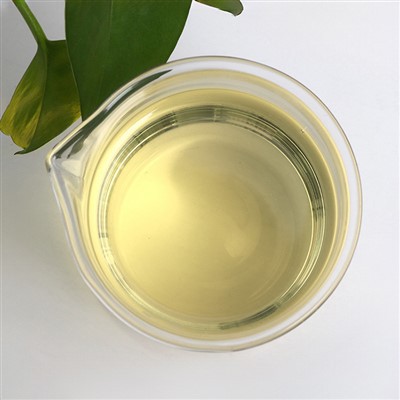
Understanding Flexible Coatings
Flexible coatings are a specialized class of coatings designed to provide protection and aesthetic appeal while maintaining flexibility. They are commonly used in applications where the substrate undergoes movement or deformation, such as in automotive interiors, flexible packaging, and textile coatings. These coatings must possess excellent adhesion, elasticity, and resistance to environmental factors to ensure long – lasting performance.
The unique properties of flexible coatings stem from their composition, which typically includes polymers, pigments, solvents, and additives. The polymers form the backbone of the coating, providing flexibility and durability. Pigments are used to impart color and opacity, while solvents help in the application process. Additives, on the other hand, play a crucial role in enhancing the performance of the coating.
The Role of Leveling Agents
Leveling agents are additives that are used to improve the surface appearance of coatings. They work by reducing surface tension, allowing the coating to flow and level out evenly during the application process. This results in a smooth, defect – free surface that enhances the overall aesthetic appeal of the coating.
In flexible coatings, leveling agents are particularly important. Since these coatings are often applied to substrates that are subject to movement, any unevenness in the coating surface can lead to cracking or peeling over time. A well – leveled coating provides a more uniform and continuous protective layer, which is essential for maintaining the integrity of the coating under stress.
Compatibility with Flexible Coatings
One of the primary concerns when using leveling agents in flexible coatings is compatibility. The leveling agent must be compatible with the polymers, solvents, and other additives in the coating formulation. Incompatible leveling agents can cause a range of issues, such as phase separation, reduced adhesion, and poor mechanical properties.
Fortunately, modern leveling agents are designed to be highly compatible with a wide range of coating systems. They are formulated to work effectively with different types of polymers, including acrylics, polyurethanes, and silicones, which are commonly used in flexible coatings. This compatibility ensures that the leveling agent can be incorporated into the coating formulation without compromising the flexibility and performance of the coating.
Benefits of Using Leveling Agents in Flexible Coatings
Improved Surface Appearance
The most obvious benefit of using leveling agents in flexible coatings is the improvement in surface appearance. A smooth, even coating surface not only looks better but also provides a more professional finish. This is particularly important in applications where aesthetics are a key consideration, such as in automotive interiors and consumer products.
Enhanced Durability
A well – leveled coating is more resistant to wear and tear. By reducing surface irregularities, leveling agents help to prevent the formation of stress points in the coating, which can lead to cracking and peeling. This results in a more durable coating that can withstand the rigors of daily use.
Better Adhesion
Leveling agents can also improve the adhesion of the coating to the substrate. By promoting a more uniform coating thickness, they ensure that the coating adheres evenly to the surface, reducing the risk of delamination. This is especially important in flexible coatings, where the substrate may undergo movement or deformation.
Reduced Defects
Leveling agents help to eliminate common coating defects, such as orange peel, pinholes, and craters. These defects can not only affect the appearance of the coating but also compromise its performance. By ensuring a smooth and even coating surface, leveling agents help to produce a high – quality coating with fewer defects.
Types of Leveling Agents for Flexible Coatings
There are several types of leveling agents available for use in flexible coatings, each with its own unique properties and advantages.
Silicone – Based Leveling Agents
Silicone – based leveling agents are widely used in flexible coatings due to their excellent surface – active properties. They have a low surface tension, which allows them to spread easily on the coating surface and reduce surface irregularities. Silicone leveling agents also provide good slip and anti – blocking properties, which are beneficial in applications where the coated surface may come into contact with other surfaces.
Acrylic – Based Leveling Agents
Acrylic – based leveling agents are another popular choice for flexible coatings. They are compatible with a wide range of polymers and solvents and offer good leveling performance. Acrylic leveling agents can also improve the scratch resistance and chemical resistance of the coating.
Fluorochemical – Based Leveling Agents
Fluorochemical – based leveling agents are known for their high surface activity and excellent water and oil repellency. They can provide a very smooth and uniform coating surface, even at low concentrations. Fluorochemical leveling agents are particularly suitable for applications where the coating needs to resist dirt and stains.
Application Considerations
When using leveling agents in flexible coatings, several application considerations need to be taken into account.
Concentration
The concentration of the leveling agent in the coating formulation is critical. Too little leveling agent may not provide sufficient leveling, while too much can lead to issues such as foam formation, reduced adhesion, and increased cost. The optimal concentration will depend on the specific coating system and the desired level of leveling.
Application Method
The application method can also affect the performance of the leveling agent. Different application methods, such as spraying, brushing, or rolling, may require different types of leveling agents. For example, spraying applications may require a leveling agent with good atomization properties to ensure an even coating.
Drying Conditions
The drying conditions of the coating can also impact the effectiveness of the leveling agent. Factors such as temperature, humidity, and ventilation can affect the flow and leveling of the coating. It is important to ensure that the drying conditions are optimal for the coating system to achieve the best results.
Conclusion
In conclusion, leveling agents can be effectively used in flexible coatings. They offer a range of benefits, including improved surface appearance, enhanced durability, better adhesion, and reduced defects. With the wide variety of leveling agents available on the market, it is possible to find a suitable product for any flexible coating application.

As a leveling agent supplier, I am committed to providing high – quality products and technical support to help you achieve the best results in your flexible coating formulations. Whether you are looking to improve the aesthetics of your product or enhance its performance, our leveling agents can be the key to success.
Dyeing Auxiliaries If you are interested in learning more about our leveling agents or would like to discuss your specific coating requirements, I encourage you to reach out to us. We are here to assist you in finding the perfect solution for your flexible coating needs.
References
- "Handbook of Coating Additives" by Johan Bieleman
- "Coating Additives: Chemistry and Applications" by Zeno W. Wicks Jr., Frank N. Jones, and S. Peter Pappas
- "Flexible Coatings: Technology and Applications" by various authors in the field of coatings research
Nanfeng Dasun Technology Co., Ltd.
As one of the leading leveling agent manufacturers and suppliers in China, we offer a wide range of products with superior quality for industrial. Please rest assured to buy bulk leveling agent made in China here from our factory. Contact us for more details.
Address: Nanfeng Industrial Park, Nanfeng County, Fuzhou City, Jiangxi Province, China
E-mail: Inquiry@honechem.com
WebSite: https://www.honechem.org/
