As a long-time supplier of giant pork meatballs, I get asked a lot of questions that go way beyond “What size do you make?” or “Can you handle a 500-unit bulk order?” But one question that stopped me in my tracks last week was: “Can I make giant pork meatballs with a curry flavor?” At first, I’ll admit, I was a little confused. Giant meatballs are usually a classic Italian thing—rich tomato sauce, a hint of parmesan, maybe a sprinkle of basil. Curry? That’s a whole different flavor profile. But then I thought about our customers: food trucks looking to stand out at festivals, cafes wanting a unique twist on their meatball sliders, even event planners pulling together global-style spreads for corporate events. The demand for bold, creative food is only growing, so this question wasn’t just a passing curiosity—it was a chance to experiment. And after months of testing, I’m here to say: yes, you absolutely can. Here’s why it works, how we refined the recipe to make it consistent, and why it’s a game-changer for anyone looking to elevate their giant meatball offerings. Giant Pork Meatballs
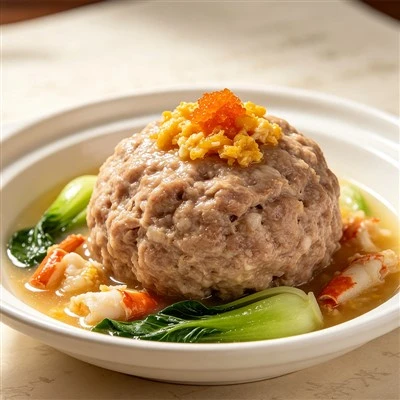
Let’s start with the basics: why pork and curry are a perfect match. Pork has a natural richness that acts as a blank canvas for warm, complex spices—something we’ve known for centuries in many global cuisines, from Indian vindaloo pork to Thai massaman pork ribs. But when you’re making a giant meatball (we’re talking 4 to 6 ounces each, not the tiny cocktail ones), you need that flavor to penetrate all the way through, not just sit on the surface. That’s where the science comes in. Most meatball recipes rely on binder like breadcrumbs or eggs to hold the meat together, but for curry-infused giant pork meatballs, the binder isn’t just for structure—it helps lock in moisture and spread the spices evenly. Let’s talk about the meat itself: we use a blend of 80% lean pork shoulder and 20% fat. The fat is key here. It doesn’t just add juiciness; it carries the essential oils from the curry spices. Essential oils (think turmeric, cumin, coriander, and garam masala) are fat-soluble, so if your meat has enough fat, those flavors don’t burn off during cooking or get trapped in dry, lean meat. If you use too much lean pork, the meatball will be dry, and the spices will taste muted. Too much fat, and it’ll be greasy. That 80/20 ratio is the sweet spot.
Next, the spices. Not all curry blends are created equal, and that’s a common mistake when making giant pork meatballs. A pre-made curry powder from the grocery store might work for a quick sauce, but it’s too mild and one-note for a giant meatball. We tested five different blends before landing on our go-to: a mix of ground turmeric, toasted cumin, ground coriander, a pinch of fenugreek, and a small amount of garam masala added at the end. Toasting the whole spices before grinding them makes a huge difference in flavor. When you toast cumin seeds, for example, the oils release, and the flavor becomes nuttier, not just sharp. If you skip toasting, your meatball will taste like a generic spice mix, not something that’s intentionally crafted. We also add a touch of fresh garlic and ginger—minced fine, not powdered—to add depth. Powdered garlic and ginger can taste harsh when cooked into a giant meatball, but the fresh version has a bright, earthy sweetness that balances the warm spices. A common trick we learned from a Thai chef friend: sauté the garlic and ginger in a little coconut oil before mixing them into the pork. This softens their sharp edges and infuses the oil with flavor, which then mixes into the meat. It’s a small step, but it makes the curry taste cohesive, not just a bunch of spices thrown together.
Now, the binder and moisture. Giant meatballs can easily fall apart during cooking, especially when you’re adding extra ingredients like spices, aromatics, and maybe even a little diced onion. We tried several binders: breadcrumbs, panko, even crushed rice. Panko was the winner, but not just any panko. Plain, unseasoned panko works best because it doesn’t add extra flavor that competes with the curry. We mix the panko with a little full-fat coconut milk instead of regular milk or water. Coconut milk adds a subtle creaminess that complements the curry, and it keeps the meatball moist even after it’s been baked or fried. If you use skim milk, the meatball will dry out faster, and the curry flavor will be less pronounced. We also add one egg per pound of pork. The egg binds the meat, panko, and spices together, so the meatball holds its shape even when it’s being seared on the stovetop or roasted in the oven. We tested what happened when we cut the egg—half the meatballs fell apart during cooking, and the other half were crumbly, with the spices settling at the bottom. The egg is non-negotiable for structure.
Cooking the giant pork meatballs with curry flavor is another area where we had to adapt our usual process. For classic Italian giant meatballs, we often braise them in tomato sauce, but curry meatballs can handle a few different cooking methods. We tested baking, frying, and even grilling. Baking is the most consistent for bulk orders, which is important for a supplier like us. If you’re making 100 giant meatballs at once, you need a method that doesn’t require constant flipping. We pre-searched the meatballs on a high heat pan for 2 minutes per side to get a crispy, flavorful crust, then finished them in a 375°F oven for 12 to 15 minutes. That searing step locks in the juiciness, so the inside stays tender even as the curry flavors develop. If you skip searing, the meatball will be soft, and the curry might taste flat. We also tried adding a little curry paste to the sauce for serving—either a coconut curry sauce or a tomato-based curry sauce—to amp up the flavor. But the meatball itself has enough spice that you don’t need a heavy sauce. Many of our customers prefer to serve them on a bed of jasmine rice, or stuffed into a naan bread with cucumber raita.
But here’s the part that makes this stand out from random experimental meatballs: consistency. As a supplier, I can’t send out 500 meatballs that taste like curry on Monday and plain pork on Wednesday. That’s a non-starter for restaurants and events, where every plate needs to be the same. How do we make sure every giant pork meatball with curry flavor is identical? First, we use precise measurements for every ingredient. No “a pinch of cumin” or “a handful of panko.” We weigh every spice, every ounce of pork, every drop of coconut milk. That eliminates variation. Second, we grind our own pork in-house. Store-bought ground pork is often inconsistent—some batches have too much fat, some too little, some have weird additives. By grinding fresh pork shoulder every day, we know exactly what’s going into each meatball. Third, we have a strict cooking process: every meatball is the same size (we offer 4, 5, and 6 ounces for different uses), seared for the same amount of time, baked at the same temperature, and rested for 5 minutes after cooking. Resting is another key step. When you take a meatball out of the oven, the juices are still inside, and if you cut into it right away, they’ll run out. Resting lets the juices redistribute, so each bite is juicy, not dry.
We also tested for dietary restrictions, because that’s a big part of today’s food industry. Can we make these meatballs gluten-free? Yes—just swap the panko for certified gluten-free panko, and use a gluten-free curry blend. Can we make them dairy-free? Our original recipe is already dairy-free, so that’s easy. We can even adjust the spice level: mild for families or cafes, medium for food trucks, hot for event venues that want a bold kick. That flexibility is why this product works for so many different customers. Last month, a food truck in Austin started serving our 5-ounce curry pork meatballs on a slider with pickled red onions, and they told us it’s their top-selling item. A cafe in Toronto added them to their brunch menu, pairing them with a coconut curry hollandaise. Even a wedding planner in Chicago used them as part of a global appetizer spread, and said guests went crazy for the flavor.
But let’s be honest—there were failures along the way. Our first test batch was too spicy; we put in twice as much chili powder as we should have, and the meatballs were almost inedible. Another batch was too dry; we used lean pork, and even the coconut milk didn’t make up for it. We even tried adding dried fruit, like raisins, to balance the spices, but that made the meatball taste more like a dessert than a savory dish. Each mistake taught us something: less is more when it comes to heat, fat is non-negotiable for juiciness, and fruit has no place in a giant pork curry meatball. We tested those mistakes, adjusted the recipe, and finally landed on one that works every single time.
So if you’re a restaurant owner, a food truck operator, or an event planner thinking about adding giant pork meatballs with curry flavor to your menu, know that it’s not just a trend—it’s a flavor that’s resonating with customers. Pork’s richness pairs perfectly with warm curry spices, the texture of a giant meatball holds up to bold flavors, and as a supplier, we can deliver consistent, high-quality product in bulk. We don’t just sell giant meatballs; we work with our customers to create products that fit their menu, their audience, and their needs. Whether you need 100 meatballs for a weekend festival or 1,000 for a corporate event, we can adjust the recipe, the size, the spice level, to make sure it’s exactly what you’re looking for.
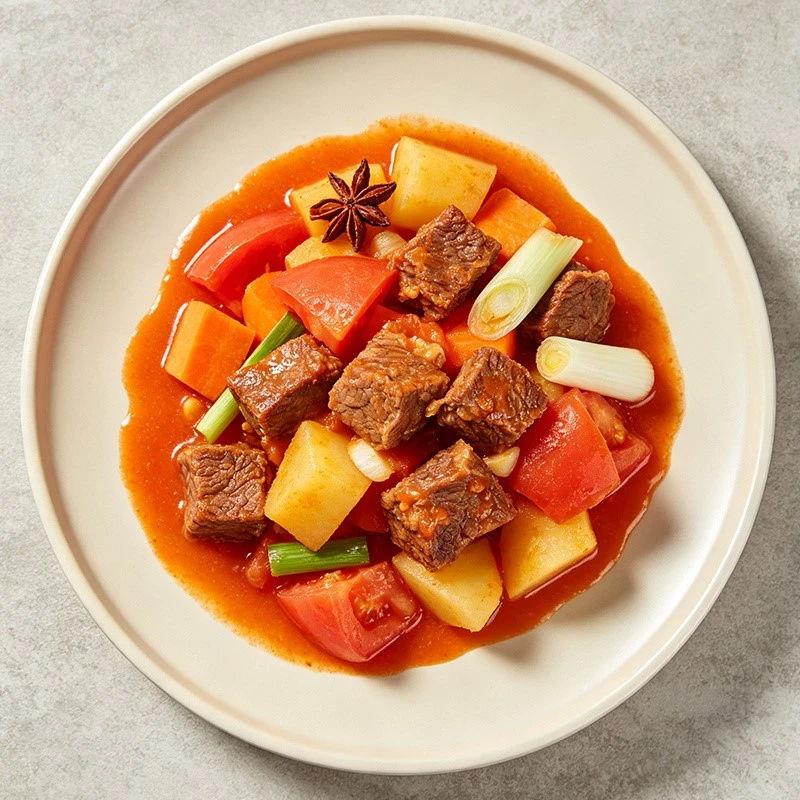
If you’re ready to talk about adding giant pork meatballs with curry flavor to your offerings, reach out to us to discuss your needs, pricing, and how we can customize the product for your business. We’re here to help you create something that stands out, that your customers will rave about, and that drives sales. Don’t just take my word for it—try a sample, see how the flavors work, and see for yourself why this is one of the most exciting products we’ve developed in years.
Giant Pork Meatballs References
- McGee, H. (2004). On Food and Cooking: The Science and Lore of the Kitchen. Scribner.
- Khanna, S. (2019). Curry: A Global History. Reaktion Books.
- Food and Agriculture Organization of the United Nations. (2021). Pork Production and Consumption Trends. FAO Publications.
- The Culinary Institute of America. (2015). Garde Manger: Principles and Practices of Cold Food Preparation. Wiley.
- National Restaurant Association. (2022). Restaurant Industry Key Trends Report: Global Flavors and Customization. NRA Publications.
Yangzhou Jingsheng Food Co., Ltd.
As one of the most professional giant pork meatballs manufacturers and suppliers in China, we’re featured by quality products and good service. Please feel free to wholesale bulk customized giant pork meatballs at competitive price from our factory. Welcome to contact us for quotation and free sample.
Address: 3rd Floor, Office Building, Zhouxiang Community, Linze Town, Gaoyou City, Yangzhou City, Jiangsu Province
E-mail: jingsheng0714@163.com
WebSite: https://www.jingshengfood.com/
