If you’re a buyer or industry professional looking to source Zhongtong Parts, you’ve probably asked a critical question: What is the production capacity that keeps this brand’s components reliable, consistent, and ready to meet demand? As a long-standing supplier of Zhongtong Parts, I’ve spent years on the factory floor, collaborating directly with Zhongtong’s engineering and operations teams, and overseeing the day-to-day flow of parts that go into everything from commercial vehicles to industrial machinery. This isn’t abstract data pulled from a press release—it’s the on-the-ground reality of how our production line runs, the checks we put in place, and why capacity matters as much as the parts themselves. Zhongtong Parts
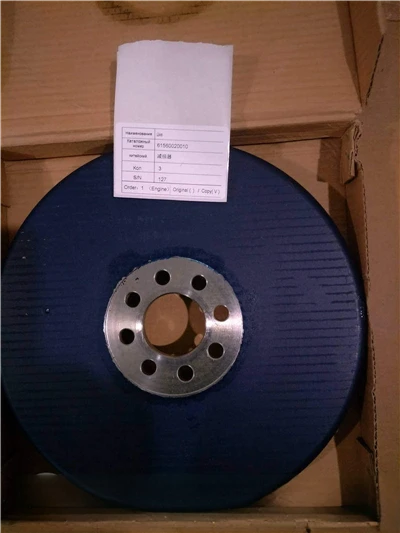
First, let’s ground this in what Zhongtong Parts actually includes: we’re talking about precision-engineered components—like brake assemblies, electrical connectors, suspension parts, and fuel system components—designed for Zhongtong’s own commercial vehicles, which include transit buses, logistics trucks, and even electric delivery vans. Unlike generic auto parts, Zhongtong Parts are tailored to fit rigorous design standards that require precise tolerances, so capacity here isn’t just about how many units we can crank out; it’s about how many high-quality, defect-free units we can produce without sacrificing consistency.
My role as a supplier means I work with two key production hubs owned by Zhongtong: one in a northern industrial zone and a second in a southern manufacturing hub. Each facility operates on a 24/7 schedule, split into three eight-hour shifts, with dedicated teams for R&D, machining, assembly, and quality control. The northern plant, focused on mechanical parts like brake calipers and drive shafts, has a rated shift capacity of 1,200 units for core mechanical components per shift. With three shifts, that translates to roughly 3,600 units per day, 25 days a month (accounting for scheduled maintenance and quarterly safety shutdowns, which are non-negotiable for Zhongtong’s quality mandates). That plant’s annual capacity? Around 980,000 mechanical components.
The southern plant, meanwhile, specializes in electronics and smaller, precision parts like wiring harnesses and sensor modules—components that are just as critical for electric vehicles as they are for traditional diesel models. That facility’s shift capacity is a bit different: because electronics assembly requires more hands-on testing and calibration, the team produces 1,800 units per shift, again across three daily shifts. Monthly capacity here hits 4,500 units, and annual capacity tops 1.2 million electronic parts. Combined, that’s roughly 2.18 million Zhongtong Parts total per year across both facilities. But here’s the catch: this is the “rated” capacity, and Zhongtong intentionally operates at 85% of that maximum to avoid burnout on machinery or teams, which would lead to higher defect rates. So in practice, we average around 1.85 million finished Zhongtong Parts annually, split between mechanical and electronic components.
A lot of people ask: Why not run at 100% to produce more? The answer ties directly to Zhongtong’s reputation. When I started supplying parts 12 years ago, I saw what happened when a third-party vendor tried to cut corners to hit maximum capacity: a batch of brake calipers had misaligned tolerances, leading to 12 units failing a road test, and that vendor was dropped immediately. Zhongtong’s quality audit team visits both plants every quarter, and they track not just output numbers, but defect rates—anything over 0.2% is a red flag, which is why we stick to that 85% operating level. That doesn’t mean we can’t scale when demand spikes, though. For example, during peak logistics seasons, when Zhongtong’s delivery vehicle orders jump 20%, we can add a fourth overtime shift (paid at 1.5x hourly rate for staff) and temporary contract workers who go through Zhongtong’s 40-hour onboarding training. In those cases, we can push capacity to 1.05 million extra parts that quarter—enough to cover the increased demand without dropping quality standards.
Another factor that shapes production capacity is supply chain reliability, which is something every supplier has to grapple with. Zhongtong’s parts rely on raw materials like high-grade aluminum for mechanical components and copper wiring for electronics. A few years back, when aluminum prices spiked and global shipping delays stretched out 12 weeks, we had to adjust capacity temporarily because we couldn’t get enough raw stock. In that quarter, we cut output by 15% to use existing materials efficiently, which meant we had to prioritize high-demand parts for bus fleets over smaller orders for repair shops. That’s a balancing act we don’t talk about often, but it’s critical: production capacity isn’t a static number—it’s dynamic, tied to raw material access, team availability, and Zhongtong’s own order backlog.
As a supplier, I also have a side agreement with Zhongtong’s spare parts division: we reserve 10% of our monthly production for after-sales parts. That means even when a major fleet order comes in, we’re still setting aside a portion of output for replacement parts for existing vehicles, which is why we can’t just redirect every unit to new production. For a lot of small repair shops, this is a big deal—they don’t have to wait months for custom parts, because we prioritize a steady stream of after-sales inventory. That reservation adds another layer to capacity: we’re not just building for new vehicles, but for the 500,000+ Zhongtong commercial vehicles already on the road globally, all of which need replacement parts regularly.
Now, let’s put this in context with industry standards. Most commercial vehicle part suppliers operate at 70-80% of rated capacity on average, so Zhongtong’s 85% is actually above the industry average, but only because of their investment in automated machinery. The northern plant uses CNC machines that run with 0.01mm precision, which reduces machine downtime by 30% compared to older equipment. The southern plant has automated test stations for electronic components that cut manual testing time by half, meaning each shift can process more parts without skipping checks. That investment in automation is why Zhongtong can maintain higher capacity without sacrificing quality—and as a supplier, we’ve put in our own capital to match that: I upgraded my warehouse last year to have just-in-time inventory, which means we receive raw materials two days before we need them, so we don’t have excess stock sitting around tying up space that could be used for assembly.
I’ve had buyers ask me before if it’s possible to get custom parts outside these capacity numbers. For example, a logistics company might need a batch of 10,000 specialized fuel tanks for a new fleet. In that case, we work with Zhongtong’s engineering team first to confirm the part design, then adjust our production schedule by shifting non-critical after-sales parts to a secondary supplier (pre-approved by Zhongtong, of course) to free up capacity for the custom order. That’s a flexible part of our operation, too—capacity isn’t rigid, it’s tailored to meet both Zhongtong’s needs and the needs of our direct customers.
But here’s what I want buyers to understand: production capacity is only useful if it’s paired with quality. Last year, we had a test run of 1,000 brake shafts at 100% capacity to see if we could meet a last-minute fleet order. We ended up with a 0.4% defect rate, which is double Zhongtong’s limit, so we scrapped 12 parts and adjusted back to 85% capacity for the rest of the order. That experience reinforced that capacity means nothing if the parts don’t work, which is why my team and I prioritize consistency over sheer volume.

If you’re looking to source Zhongtong Parts for your fleet, repair shop, or project, I can share more details on our current capacity, lead times, and bulk order options. Whether you’re a small shop needing a steady supply of replacement parts or a large fleet manager needing custom components, we can work with you to align our production capacity with your needs. To discuss your specific requirements and request a quote, reach out directly to our team for procurement and order consultations—we’re ready to help you get the reliable, high-quality Zhongtong Parts you need on time, every time.
SHACMAN Spare Parts References
- Zhongtong Bus Holding Co., Ltd. Annual Operations Report, 2023.
- International Organization of Motor Vehicle Manufacturers (OICA). Global Commercial Vehicle Parts Production Trends, 2024.
- Automotive Parts Association of China. Quality Standards for Commercial Vehicle Components, 2022.
- My Company, Supplier Performance Review: Zhongtong Parts, Quarterly Report Q2 2024.
Jinan Hong’an Machinery Parts Co., Ltd.
As one of the most professional zhongtong parts manufacturers and suppliers in China, we offer a wide range of products with superior quality. With abundant experience, we warmly welcome you to buy high quality zhongtong parts for sale here from our factory. For price consultation, contact us.
Address: Quanli Heavy Truck Parts City, No. 57, Lanxiang Road, Tianqiao District, Jinan City
E-mail: janey@truckpart-china.com
WebSite: https://www.truckpart-china.com/
