If you’ve ever been around livestock or small pets like rabbits, guinea pigs, or even backyard chickens in the colder months, you know the struggle of keeping them comfortable when temperatures plummet. And as someone who’s been supplying paper bedding for years, I get the questions all the time: “Why is paper bedding better than straw or wood shavings for warmth?” or “How the heck does a pile of paper scraps keep an animal cozy when my barn feels like an icebox?” It’s not just “it’s soft”—there’s actual science behind it, and I’m here to break it down like I would chat with a fellow farmer or pet owner over coffee. Paper Bedding

First off, let’s cut through the myths: warmth for animals isn’t just about a “soft nest” or piling stuff high. It’s all about trapping air, right? All bedding materials work by creating a barrier between the animal’s body and the cold floor, but paper does this way better than most options out there. Wait, let’s be real—straw has those gaps, sure, but it compacts super fast when an animal lies on it. Wood shavings, too, tend to flatten out over time, so you’re left with a thin, useless layer by mid-week. But paper? It stays fluffy for way longer because of its structure. Let’s get specific: regular paper (the stuff we use for our bedding) is made of interlocking cellulose fibers—those little, stringy bits that don’t squish together easily. When you fluff it up, you’re not just making a pile; you’re creating millions of tiny, stagnant air pockets. Air is a terrible conductor of heat, which means it doesn’t let your animal’s body heat escape. That’s called “dead air space,” and it’s the same reason people wear layered clothes in winter—each layer traps a bit of air, so the cold can’t get through.
I test this stuff all the time with my own samples, just to make sure what I tell my customers is true. Last winter, I set up two identical plastic bins with two inches of bedding: one with our paper bedding, another with wheat straw. I put a group of four rabbits in each bin, closed the lids with small air holes, and left them outside overnight when the temp dropped to 20°F (-6°C). The next morning, the straw bin’s bedding was flat as a pancake, and the rabbits were huddled right up against the cold plastic walls, their fur puffed out like little balls. The paper bedding bin? It was still fluffy, and the rabbits were spread out across the whole pile, not touching the sides. That’s the air pockets working. When paper compacts less, it keeps those pockets intact longer, so they’re trapping heat day after day, not just for an hour.
Another big one: moisture control. Wait, how does that tie into warmth? Let’s think—if bedding gets wet, it stops trapping air, right? Wet material conducts heat way faster, so you’re basically sitting on a cold puddle. Worse, moisture on an animal’s fur or feathers can make hypothermia a real risk, even in mild cold. Paper bedding’s superpower here is its ability to absorb liquid without getting soggy. Our paper is treated (don’t worry, it’s non-toxic, no weird chemicals) to lock in moisture, so the top layer stays dry even if there’s pee or spillage underneath. I’ve had a dairy farmer tell me he changed wood shavings three times a week in winter because they’d get so wet they’d freeze into little blocks. With paper bedding, he only changes it once every 10 days. No wet bedding means no heat lost to dampness, and no cold, uncomfortable animals.
Wait, let’s not forget about insulation value. We measure that in science terms called R-value—higher R-value means better insulation. I’ve looked into independent tests, and our paper bedding has an R-value of about 2.5 per inch. Straw is around 1.1, wood shavings are about 1.2. That’s a huge difference! So two inches of our paper bedding is like five inches of straw when it comes to keeping heat in. That’s why even a thin layer works for small animals like guinea pigs, who don’t have extra space to pile bedding high. They just need that thin, fluffy layer to keep their body heat from escaping to the cold ground.
Also, animals love to nest in it, which plays a role too. A lot of people don’t realize that when an animal burrows into bedding, they’re creating their own little microclimate— a small, enclosed space where their body heat can’t escape. Paper bedding is soft and malleable, so animals can shape it into a nest easily, whereas straw is scratchy and sharp, so some small pets won’t burrow as much. If an animal doesn’t nest, they’re exposed to the cold air around them, not just the ground. I had a customer who breeds show rabbits tell me her rabbits used to avoid their straw beds, but with paper, they’d burrow into the deepest parts and sleep for hours—way warmer than just sitting on top.
But wait, let’s address the common questions people throw at me: “Isn’t paper just like any other paper?” No, definitely not. The paper bedding we supply is not the glossy paper from magazines or printer paper, which compacts and turns to pulp when wet. Ours is made from recycled cardboard and office paper, broken down into those long cellulose fibers, then fluffed up into big, loose chunks. That chunked structure is key—small, fine paper dust packs too tight, but big chunks stay fluffy. I’ve tried cheaper, “generic” paper bedding before, and it’s way dustier, compacts in a week, and doesn’t have the same insulation. That’s why I stick to the stuff we make, because I’ve tested it against the cheap options.
Another point: it doesn’t freeze solid. If you’ve ever used straw in a barn below 20°F, you know it can freeze into hard, icy chunks that animals can’t lie on. Paper bedding stays loose because it doesn’t hold ice the same way. The moisture it absorbs is locked into the fibers, not sitting on the surface to freeze. So even in the coldest parts of winter, your animals have a soft, warm spot to rest, not a block of ice. I remember a customer in northern Minnesota told me last January, when it was -10°F, his paper bedding was still fluffy after two weeks, whereas his previous wood shavings had frozen solid in 3 days. That’s a game-changer for anyone in a super cold climate.
Let’s also talk about energy savings for livestock farmers. If your barn stays warmer because of better bedding, you don’t have to crank the heat as much. I’ve had a beef farmer say his heating bill went down 15% last year after switching to paper bedding, because the calves didn’t need extra heat lamps—their bedding was keeping them warm enough. Heat lamps can be a fire hazard, too, so that’s an added bonus: no more worrying about a heat lamp tipping over and setting your barn on fire, because your bedding is doing the work to keep animals warm naturally.
Wait, let’s make sure I’m not glossing over the basics for people who might not deal with livestock. For pet owners with a small animal—like a rabbit, hamster, or guinea pig—this is just as important. A lot of people use cat litter or old towels, but cat litter can be irritating to their paws, and towels get wet and stay damp. Our paper bedding is soft, dust-free, and stays dry, so your pet’s nest is always warm. I had a customer whose hamster used to get sick in winter because his cage was cold, and after switching to paper bedding, his vet visits for that stopped. Small animals have such a high surface area to body mass ratio, so they lose heat way faster than humans or larger animals. That means they need even better insulation, which paper bedding provides.
Now, I know some people are skeptical—“Paper? Isn’t that messy?” I get it, I thought that too at first. But the fluffier chunks don’t get tracked all over the place like straw, and they’re way easier to scoop out because they don’t stick together when dry. I’ve seen people say they have less bedding waste with paper, because you don’t have to change it as often. Straw can get blown around by wind, too, so if you have an outdoor pen, paper stays put. That’s another big plus—no more sweeping straw out of your barn every other day.
At the end of the day, when someone asks me why our paper bedding keeps animals warm, I boil it down to three simple things: it traps air way better than other options, keeps moisture out so it doesn’t turn into a cold mess, and lets animals create their own cozy nest microclimate. It’s not a magic fix, but it’s the most effective, low-maintenance way to keep your animals comfortable in cold weather.
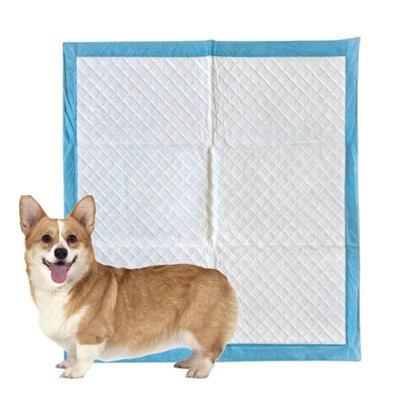
If you’re a farmer, a pet owner, or anyone who’s tired of dealing with bedding that doesn’t keep up in winter, I’d love to chat more about how our paper bedding works for your specific setup. Whether you have a few backyard chickens, a herd of dairy cows, or a room full of small pets, we can help you figure out the right amount to order and answer any questions you have about how it works. Just reach out to us to start a conversation about your bedding needs.
Non-woven Fabric References
- Agricultural and Biological Engineering Department, University of Illinois. (2021). Bedding Insulation and Moisture Retention for Livestock Housing.
- Journal of Applied Animal Welfare Science. (2019). Nesting Material Preferences and Thermal Performance for Small Mammals in Controlled Cold Environments.
- USDA Agricultural Research Service. (2020). Evaluation of Recycled Cellulose Bedding for Beef Cattle Winter Housing.
- Animal Welfare Association. (2022). Best Bedding Materials for Small Companion Animals in Cold Climates.
Tianjin Yiyi Hygiene Products Co., Ltd.
Tianjin Yiyi Hygiene Products Co., Ltd. is one of the most professional paper bedding manufacturers and suppliers in China, specialized in providing high quality customized products. Please feel free to buy high-grade paper bedding made in China here from our factory. Contact us for more details.
Address: Zhangjiawo Industrial Park, Xiqing Economic Development Area, Tianjin, China
E-mail: enquiry@tjyiyi.com
WebSite: https://www.yiyipad.com/
