Hey there! As a supplier of High Temperature EDI Modules, I often get asked about the installation space requirements for these nifty gadgets. It’s a crucial question, especially when you’re planning to integrate this technology into your existing setup. So, let’s dive right in and break down what you need to know. High Temperature EDI Module
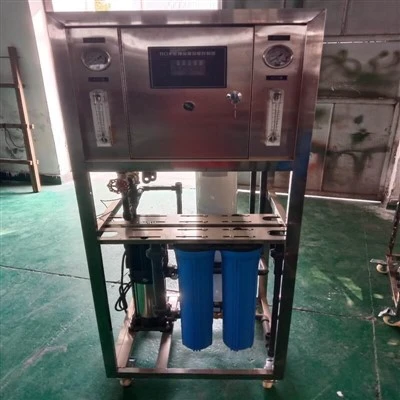
First off, let me explain a bit about High Temperature EDI Modules. These modules are vital for water treatment processes, especially in industries that require high – purity water at elevated temperatures. Unlike regular EDI modules, they can withstand higher temperatures, which makes them a game – changer for applications like power generation, pharmaceuticals, and food and beverage production.
Physical Dimensions of the Module
The size of the High Temperature EDI Module itself is the starting point for determining the installation space. Our modules come in different sizes, depending on the flow rate they’re designed to handle. For smaller – scale operations, we have compact modules that are relatively easy to fit into tight spaces. These might be around 2 – 3 feet in length, 1 – 2 feet in width, and 1 – 1.5 feet in height.
On the other hand, for larger industrial applications with high water – treatment demands, the modules can be significantly bigger. They could be 5 – 6 feet long, 3 – 4 feet wide, and around 2 – 3 feet tall. It’s important to measure the dimensions of the module accurately before you plan the installation, as this will give you a baseline for the space you’ll need.
Clearance Around the Module
You can’t just plop the module down and call it a day. There needs to be adequate clearance around the module for several reasons. First, access is a major factor. Maintenance technicians need to be able to get to the module easily for routine checks, repairs, and component replacements. We recommend a clearance of at least 1 – 2 feet on all sides of the module.
This space allows technicians to open any access panels, connect and disconnect hoses, and perform diagnostic tests without any hassle. It also gives them room to maneuver tools and equipment if they need to work on the module.
Secondly, ventilation is crucial. High Temperature EDI Modules generate heat during operation. Without proper ventilation, this heat can build up, which can not only damage the module itself but also pose a safety risk. The clearance space helps in air circulation, allowing the heat to dissipate. You might also want to consider installing fans or ventilation ducts in the area to enhance the cooling effect.
Pipework and Connection Space
The module needs to be connected to various pipes for water intake, treated water output, and electrical connections. You need to allocate space for these pipework and connections. The length of the pipes will depend on the distance between the module and the water source, storage tanks, and the rest of the system.
For the water intake and output pipes, you should have enough space to make proper connections and to allow for any future modifications or expansions. Usually, a space of about 1 – 1.5 feet around the pipe connections is a good rule of thumb. This gives you room to install valves, gauges, and other fittings.
Electrical connections are also important. You need a safe and accessible area to connect the module to the power supply. Make sure there’s enough space to run the electrical cables without any kinks or bends that could cause electrical problems. And of course, follow all the electrical safety codes when making these connections.
Floor and Structural Requirements
The floor where you’re installing the High Temperature EDI Module needs to be strong enough to support the weight. The weight of the module can vary depending on its size and the materials it’s made of. Smaller modules might weigh a few hundred pounds, while larger ones can weigh over a thousand pounds.
You need to ensure that the floor can handle this load without sagging or cracking. If you’re installing the module on an upper floor, it’s a good idea to consult a structural engineer to make sure the floor can support the weight. Also, the floor should be level. An uneven floor can cause stress on the module and its connections, which can lead to leaks or other problems over time.
Height Clearance
Don’t forget about the height clearance. If you need to perform any maintenance tasks that involve removing the top cover or accessing components from above, you’ll need enough vertical space. A height clearance of at least 3 – 4 feet above the module is usually sufficient. This gives technicians enough room to work comfortably and safely.
Considerations for the Overall Environment
The installation space should also be in a suitable environment. The area should be clean and free from dust, dirt, and other contaminants. High Temperature EDI Modules are sensitive to these particles, and they can clog the internal components, reducing the module’s efficiency and lifespan.
The temperature and humidity of the installation area are also important. While these modules can handle high temperatures, extreme heat or cold can still affect their performance. Try to keep the installation area at a relatively stable temperature and humidity level. If necessary, you might need to install climate – control equipment like heaters or air conditioners.
Planning for Future Expansion
When choosing the installation space, it’s always a good idea to think about the future. Your business might grow, and you might need to add more modules or upgrade the existing ones. So, try to leave some extra space around the installation area. This way, you won’t have to go through the hassle of finding a new location or re – arranging your entire setup when you need to expand.
In conclusion, the installation space requirements for a High Temperature EDI Module depend on several factors. From the physical dimensions of the module itself to the need for clearance, pipework, and the overall environment, there’s a lot to consider. By carefully planning the installation space, you can ensure that your module operates efficiently and has a long lifespan.
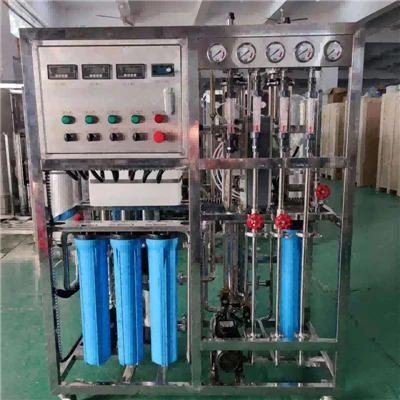
If you’re interested in purchasing a High Temperature EDI Module, or if you have any questions about the installation space requirements or anything else related to our products, don’t hesitate to reach out. We’re here to help you make the best decision for your water treatment needs and ensure a smooth installation process.
Brackish Water RO Membrane References
- Water Treatment Handbook – various industry – specific publications on water treatment technologies and equipment installation.
- Manufacturer’s Guidelines: Our own product manuals and technical specifications that provide detailed information on the installation requirements of High Temperature EDI Modules.
Fujian Huamo Technology Co., Ltd.
Fujian Huamo Technology Co., Ltd. is one of the most professional high temperature edi module manufacturers and suppliers in China, featured by quality products and good service. Please rest assured to wholesale the best high temperature edi module made in China here and get price list from our factory. Contact us for custom service and OEM service.
Address: No.6 Hengtong Rd, Shanmei Village, Xiamei Town, Nanan City, Fujian Province, China
E-mail: info@huaromembrane.com
WebSite: https://www.hmromembrane.com/
