Operating an indoor winch in extreme temperatures is a topic that often concerns many of our customers, especially those who rely on our indoor and outdoor winches for various industrial and commercial applications. As a leading supplier of winches, we understand the importance of providing accurate and reliable information to ensure the safe and efficient operation of our products. In this blog post, I’ll delve into the effects of extreme temperatures on indoor winches, discuss the challenges they pose, and provide some practical tips on how to manage these situations. Indoor and Outdoor Winches

Understanding the Impact of Extreme Temperatures
Extreme temperatures, whether extremely hot or cold, can have a significant impact on the performance and lifespan of indoor winches. Let’s break down the effects of both hot and cold conditions.
High Temperatures
When the temperature rises, several issues can arise. First, the lubricants used in the winch can become less viscous. Lubrication is crucial for reducing friction between moving parts, such as gears and bearings. As the lubricant thins out in high temperatures, it may not provide adequate protection, leading to increased wear and tear. This can result in premature failure of components and a decrease in the winch’s overall efficiency.
Secondly, high temperatures can cause thermal expansion of the winch’s metal parts. This expansion can lead to misalignment of components, which may affect the smooth operation of the winch. For example, if the drum or the gears expand unevenly, it can cause binding or jamming, making it difficult to operate the winch properly.
In addition, electronic components in modern winches can be sensitive to heat. Excessive heat can cause the electronic circuits to malfunction, leading to issues such as inaccurate speed control or even complete system failure.
Low Temperatures
Cold temperatures also present their own set of challenges. Lubricants can thicken in cold conditions, making it harder for the winch to operate smoothly. The increased viscosity of the lubricant can cause the winch to require more power to start and run, putting additional strain on the motor and other components.
The metal parts of the winch can become brittle in cold temperatures. This brittleness increases the risk of cracking or breaking, especially if the winch is subjected to sudden loads or impacts. For example, a sudden start or stop of the winch in cold weather can cause stress on the components, leading to potential damage.
Electronic components can also be affected by cold temperatures. The performance of batteries and other electrical devices may degrade, resulting in reduced power output or even failure.
Challenges in Operating Indoor Winches in Extreme Temperatures
Operating an indoor winch in extreme temperatures requires careful consideration of several factors. One of the main challenges is ensuring the safety of the operators. In high temperatures, the risk of heat-related illnesses such as heatstroke and dehydration increases. Operators need to take appropriate precautions, such as staying hydrated and taking regular breaks, to avoid these risks.
In cold temperatures, the risk of frostbite and hypothermia is a concern. Operators should wear appropriate protective clothing to keep warm and prevent these cold-related injuries.
Another challenge is maintaining the performance and reliability of the winch. As mentioned earlier, extreme temperatures can affect the lubrication, mechanical components, and electronic systems of the winch. Regular maintenance and inspections are essential to identify and address any potential issues before they lead to major problems.
Tips for Operating Indoor Winches in Extreme Temperatures
High Temperatures
- Choose the Right Lubricant: Select a lubricant that is specifically designed for high-temperature applications. These lubricants are formulated to maintain their viscosity and performance even in hot conditions.
- Provide Adequate Ventilation: Ensure that the area where the winch is located has proper ventilation to dissipate heat. This can help prevent the winch from overheating and reduce the risk of damage to the components.
- Monitor the Temperature: Use temperature sensors to monitor the temperature of the winch and its surroundings. If the temperature exceeds the recommended operating range, take appropriate measures such as reducing the load or shutting down the winch temporarily.
- Schedule Regular Maintenance: Regularly inspect and maintain the winch to ensure that all components are in good working condition. This includes checking the lubrication levels, tightening loose bolts, and inspecting the electrical connections.
Low Temperatures
- Use a Low-Temperature Lubricant: Choose a lubricant that is suitable for cold temperatures. These lubricants have a lower viscosity at low temperatures, ensuring smooth operation of the winch.
- Preheat the Winch: Before operating the winch in cold conditions, allow it to warm up for a few minutes. This can help reduce the stress on the components and improve the performance of the winch.
- Insulate the Winch: Use insulation materials to protect the winch from the cold. This can help maintain the temperature of the components and prevent them from becoming too cold.
- Check the Battery: Cold temperatures can reduce the performance of batteries. Make sure to check the battery regularly and keep it charged to ensure reliable operation of the winch.
Our Winches and Extreme Temperatures
At our company, we understand the challenges of operating winches in extreme temperatures. That’s why we design and manufacture our winches to be durable and reliable in a wide range of environmental conditions. Our winches are equipped with high-quality lubricants and components that are designed to withstand extreme temperatures.
We also offer a range of accessories and options to help our customers operate their winches safely and efficiently in extreme temperatures. For example, we offer temperature sensors and monitoring systems that can help you keep track of the temperature of the winch and its surroundings. We also offer insulation kits and other protective measures to help protect the winch from the elements.
Conclusion
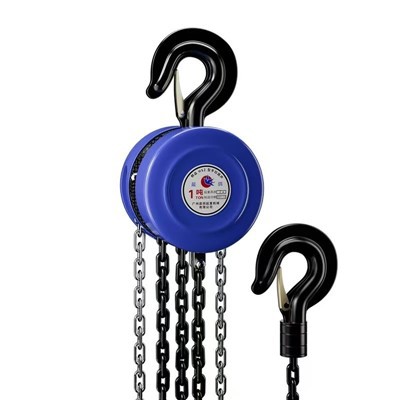
Operating an indoor winch in extreme temperatures is possible, but it requires careful consideration and proper maintenance. By understanding the effects of extreme temperatures on the winch and taking appropriate precautions, you can ensure the safe and efficient operation of your winch.
Electric Hoist If you have any questions or need more information about our indoor and outdoor winches, or if you’re interested in purchasing a winch for your specific application, please don’t hesitate to contact us. Our team of experts is always ready to assist you and provide you with the best solutions for your needs.
References
- Machinery’s Handbook, 31st Edition
- Winch Manufacturer’s Operating Manuals
- Industry Standards for Winch Operation in Extreme Conditions
Hebei Hengtai Crane Machinery Manufacturing Co., Ltd.
As one of the leading indoor and outdoor winches manufacturers in China, we warmly welcome you to buy bulk discount indoor and outdoor winches in stock here from our factory. All customized products are with high quality and low price. For more cheap products, contact us now.
Address: Weigezhuang Village, Donglu Township, Qingyuan District, Baoding City, Hebei Province
E-mail: hbht@cnhengtai.com
WebSite: https://www.cnhengtai.com/
